Sapele Wood: Properties, Hardness, Uses & Working Guide
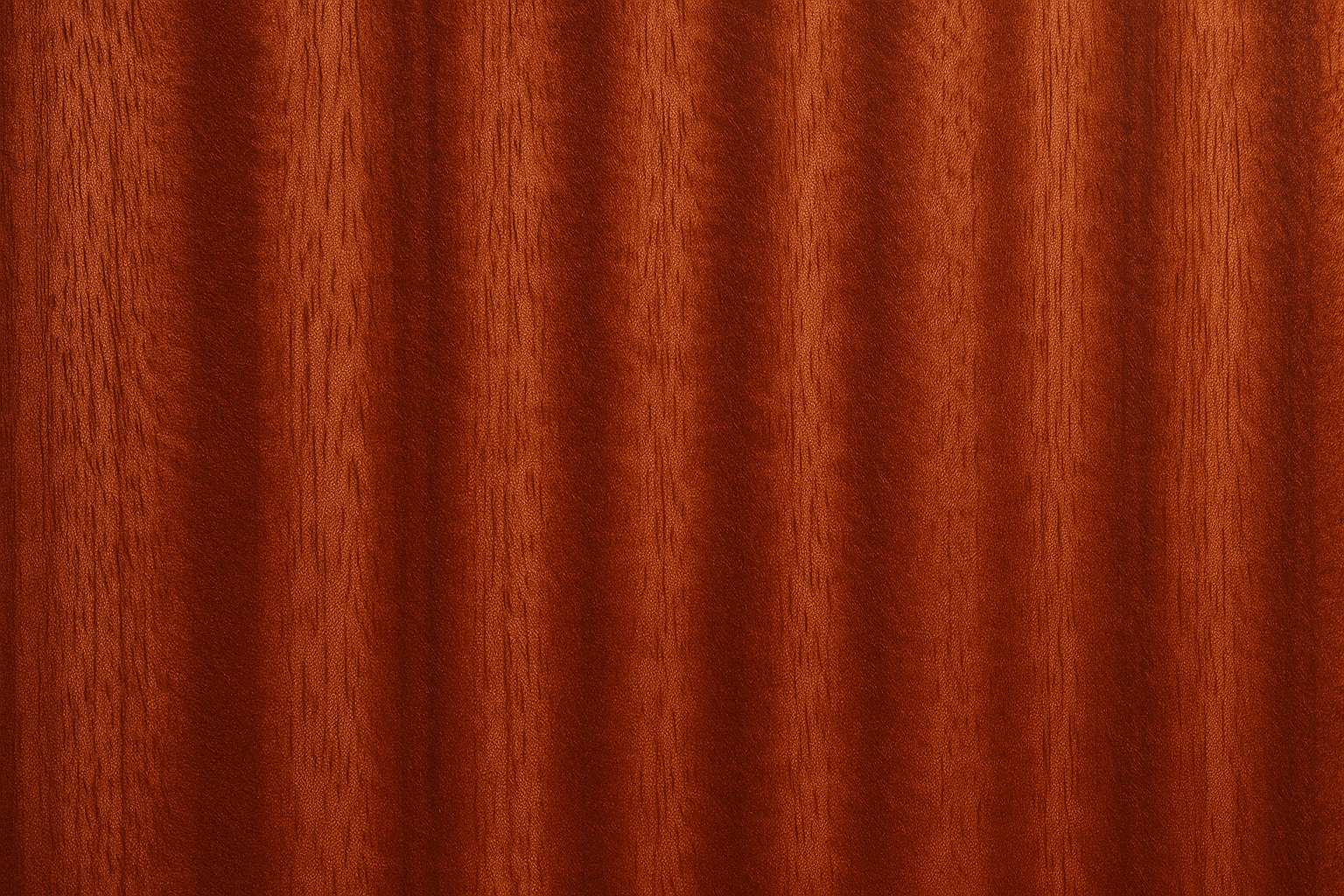
Sapele is an African tropical hardwood from Entandrophragma cylindricum, a species in the mahogany family. It is known for its reddish-brown color, fine texture, and interlocked grain, which can create a distinctive ribbon-like figure on quartersawn surfaces.
Sapele is widely used for furniture, cabinetry, doors, millwork, flooring, veneer, and musical instruments. Its density and strength make it suitable for many demanding interior projects, while its interlocked grain can require extra care during machining. This guide explains its properties, hardness, durability, appearance, workability, uses, sourcing, buying considerations, and how it compares with mahogany.
What Is Sapele Wood?
Sapele is a tropical African hardwood valued for both its appearance and mechanical performance. Its botanical relationship to mahogany helps explain why the two woods are often compared, but Sapele has its own appearance, physical properties, and machining characteristics.
Species and Origin
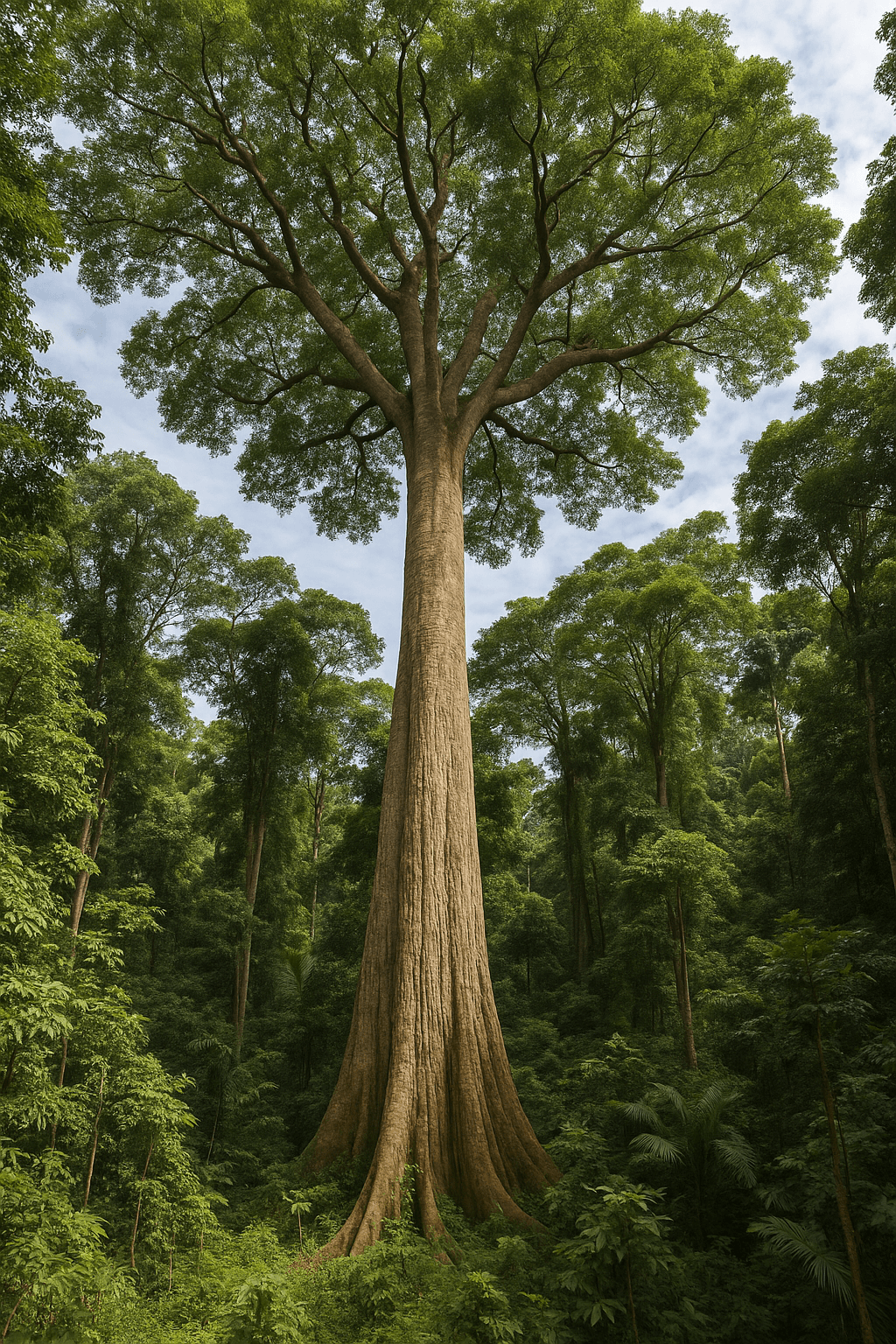
Sapele comes from Entandrophragma cylindricum, a large tree in the Meliaceae family. Its natural range extends across tropical Africa, from western regions toward Central Africa and eastward into parts of the continent.
Commercial supplies may come from countries including Nigeria, Cameroon, Ghana, Gabon, Côte d’Ivoire, and other parts of its natural range. Mature trees can reach roughly 150 to 200 feet under favorable conditions, with tall, relatively clear trunks that can produce large timber sections.
Is Sapele Mahogany?
Sapele is not genuine mahogany. It belongs to the same botanical family, Meliaceae, but it is a different species and genus from genuine mahogany such as Swietenia macrophylla.
The comparison is still useful because both woods can have warm reddish-brown color, fine texture, good finishing characteristics, and overlapping uses in furniture, cabinetry, millwork, doors, and instruments. Sapele, however, is especially associated with interlocked grain and prominent ribbon figure.
Sapele Quick Facts
| Property | Typical value or description |
|---|---|
| Scientific name | Entandrophragma cylindricum |
| Family | Meliaceae |
| Origin | Tropical Africa |
| Wood type | Tropical hardwood |
| Average dried weight | About 42 lb/ft³ (674 kg/m³) |
| Dry Janka side hardness | About 1,500 lbf in USDA data |
| Grain | Interlocked, sometimes wavy |
| Typical figure | Ribbon or roe stripe on quartersawn surfaces |
| Natural durability | Heartwood moderately durable |
| Common uses | Furniture, cabinetry, doors, millwork, flooring, veneer, instruments |
Sapele Color, Grain and Figure
Sapele is valued as much for its appearance as for its mechanical performance. Its color can deepen with age and finishing, while the way the grain is cut strongly influences how much ribbon or other figure appears on the face of a board.
Color and How Sapele Darkens
Sapele heartwood typically ranges from medium reddish brown to darker reddish or purplish brown. The sapwood is lighter and more clearly differentiated from the heartwood.
Freshly machined surfaces may look somewhat lighter, while exposure to light and many clear finishes can deepen the overall tone. Because individual boards vary, color matching is important when several pieces will be used together in visible furniture, cabinetry, doors, or paneling.
Interlocked Grain and Ribbon Stripe
Sapele grain is commonly interlocked and may also be somewhat wavy. Interlocked grain means that the direction of the wood fibers changes in successive growth layers rather than running uniformly in one direction.
On quartersawn surfaces, those alternating fiber directions can reflect light differently and produce the narrow, repeated ribbon or roe stripe for which Sapele is well known. The same grain structure that creates this attractive visual effect can also make planing and surfacing less predictable.
Figured Sapele: Pommele, Quilted and Other Patterns
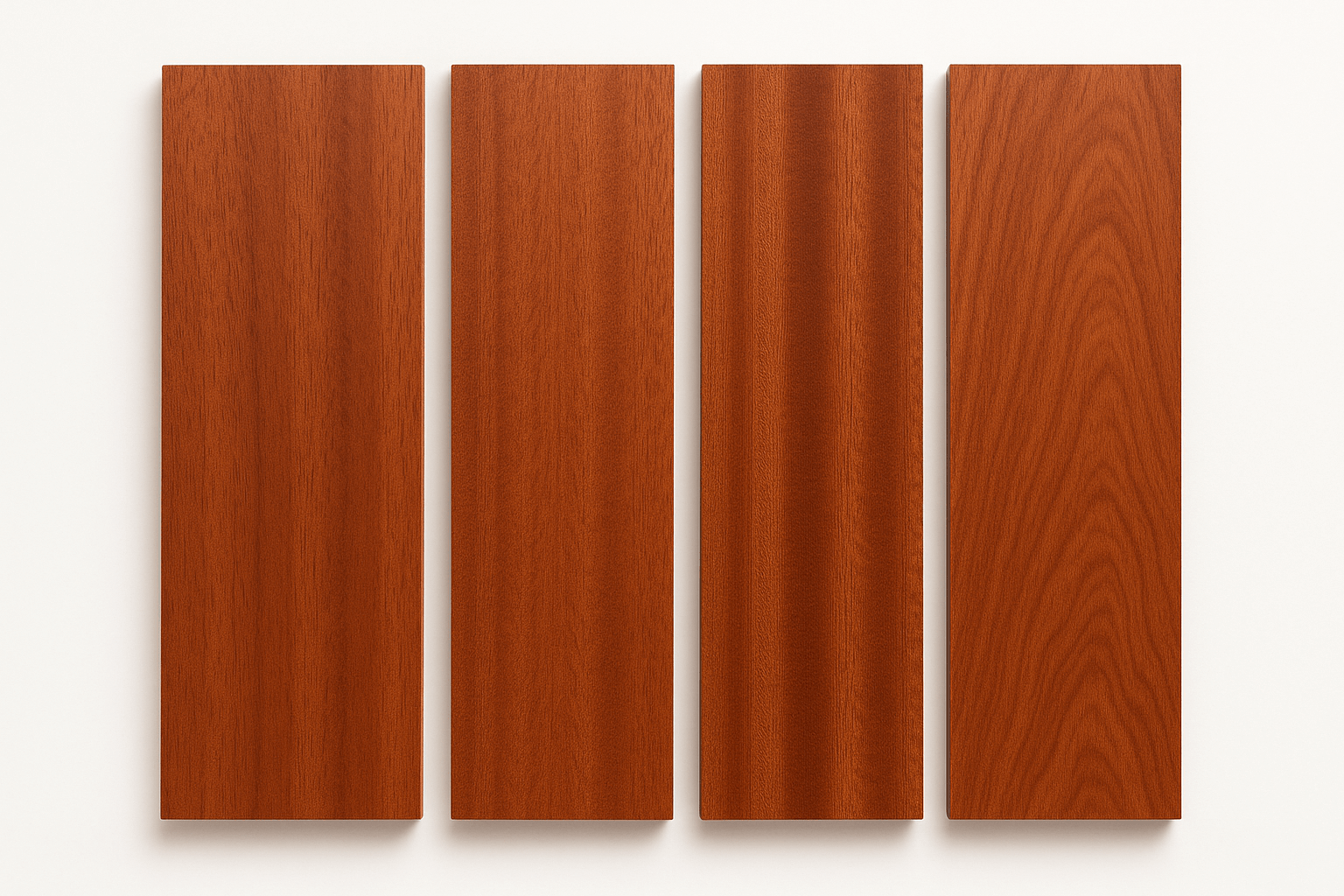
Some Sapele develops more decorative figure beyond regular ribbon stripe, including pommele, quilted, mottled, wavy, or fiddleback-like patterns. These are visual figures rather than separate Sapele species.
Highly figured stock may be especially desirable for veneers, furniture fronts, instruments, and decorative panels, but figure intensity can vary substantially from one board to another. Buyers should judge the actual face of the material rather than assume all Sapele will show the same pattern.
Sapele Wood Properties
Sapele is a moderately heavy hardwood with mechanical properties suited to furniture, doors, flooring, millwork, and other demanding applications. Density, bending strength, stiffness, and dimensional movement describe different aspects of its performance and should not be confused with surface hardness.
| Property | Typical USDA value |
|---|---|
| Average air-dry density | 42 lb/ft³ (about 674 kg/m³) |
| Specific gravity | About 0.55 |
| Bending strength at 12% MC | About 16,100–16,500 psi |
| Modulus of elasticity at 12% MC | About 1.7 million psi |
| Radial shrinkage | About 4.6% |
| Tangential shrinkage | About 7.4% |
| Volumetric shrinkage | About 14.0% |
Density and Weight
Sapele averages about 42 lb/ft³ (674 kg/m³) at roughly 12% moisture content. That makes it substantially heavier than lightweight woods but still manageable for typical furniture, cabinetry, doors, flooring, and millwork.
The density contributes to a solid feel and useful mechanical performance. Large solid-wood components can become noticeably heavy compared with those made from lower-density species.
Strength and Stiffness
USDA data place Sapele's dry bending strength at roughly 16,100 to 16,500 psi, with a modulus of elasticity of about 1.7 million psi. These values describe resistance to bending failure and stiffness under load.
They should be kept separate from Janka hardness. A wood can resist surface indentation well without having identical bending or stiffness properties, so project selection should consider the specific type of load or wear involved.
Shrinkage and Dimensional Stability
Typical green-to-ovendry shrinkage values are about 4.6% radial, 7.4% tangential, and 14.0% volumetric. Movement in service is generally rated as medium.
Sapele can dry successfully, but it has a tendency to warp if drying and stacking are poorly controlled. Properly dried lumber should still be acclimated to the installation environment, especially for doors, flooring, cabinetry, and other work where dimensional changes matter.
Sapele Hardness and Janka Rating
Sapele's hardness helps explain why it performs well in furniture, cabinetry, flooring, doors, and other applications where resistance to everyday dents matters. The Janka test is useful for comparing surface indentation resistance, but it should not be treated as a complete measure of strength or workability.
How Hard Is Sapele Wood?
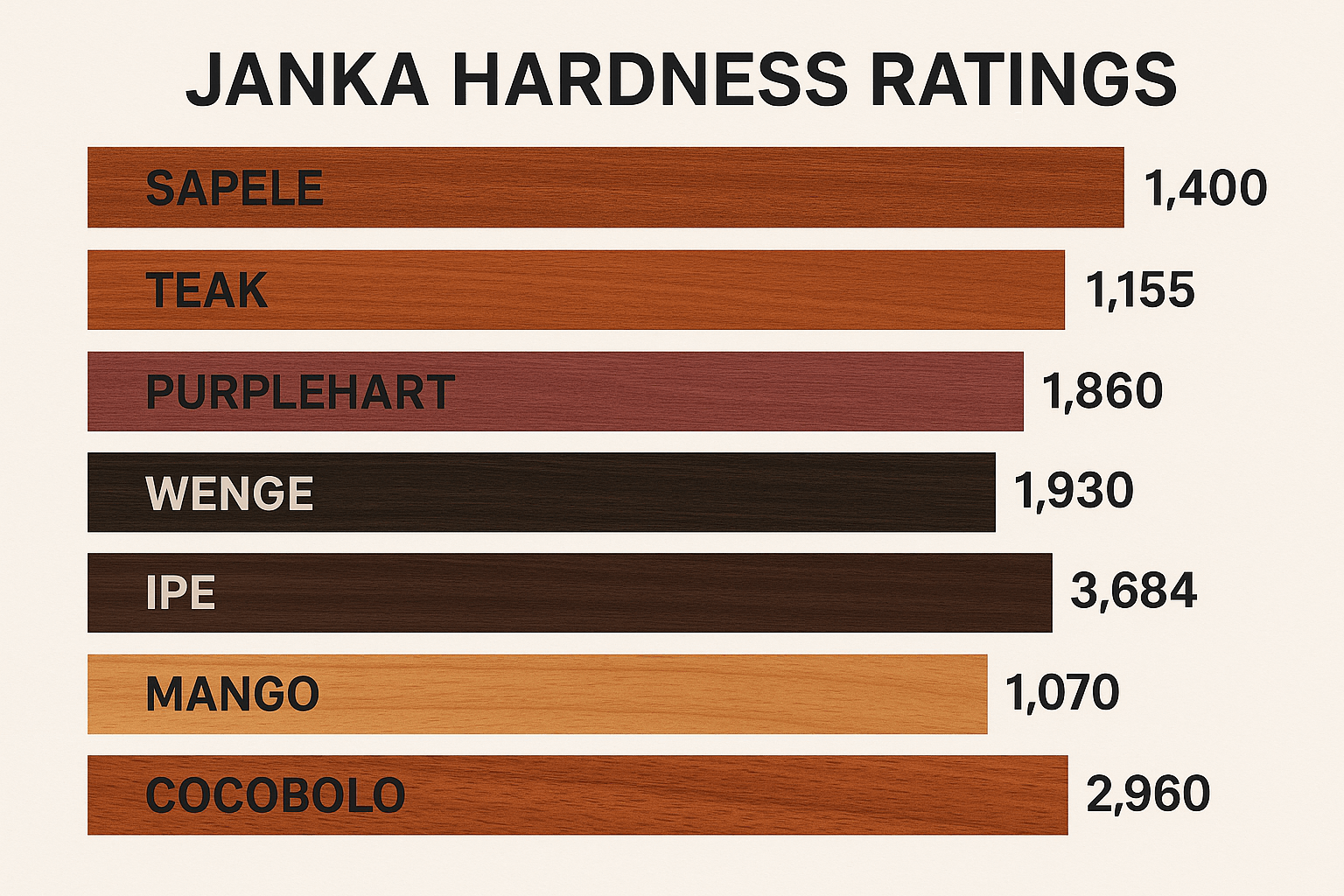
USDA technical data report a dry Janka side hardness of about 1,500 lbf for Sapele. Some commercial wood references publish somewhat lower figures, often around 1,360 to 1,410 lbf, so small differences between databases are normal.
In practical terms, Sapele offers substantially more dent resistance than many softer furniture woods while remaining workable with ordinary woodworking tools. Its hardness is useful for flooring, furniture, millwork, cabinetry, and other interior applications that receive regular handling.
What the Janka Rating Does—and Does Not—Measure
The Janka test measures the force required to embed a steel ball into the surface of wood. It is therefore most useful as an indicator of resistance to dents and localized surface wear.
It does not directly measure bending strength, stiffness, dimensional stability, decay resistance, or ease of machining. Those properties need to be considered separately when deciding whether Sapele is suitable for a particular project.
Is Sapele a Hardwood?
Yes. Sapele is botanically classified as a hardwood because it comes from a broadleaf angiosperm tree. The term “hardwood” describes botanical classification rather than guaranteeing any particular Janka value or mechanical performance.
Sapele Durability and Outdoor Performance
Sapele has useful natural durability, but exterior performance depends on more than species alone. Moisture exposure, construction details, surface protection, insect pressure, and maintenance all influence how well the wood performs outside.
Rot and Decay Resistance
Sapele heartwood is generally classified as moderately durable against decay. That gives it more natural resistance than many non-durable interior woods, but it should not be described as rot-proof or weatherproof.
Exterior and Weather Exposure
Sapele can be used for selected exterior applications when the project is designed and maintained appropriately. Protection of exposed end grain, good drainage, ventilation, suitable joinery, and an exterior-rated finish can all help reduce moisture-related deterioration.
For continuously wet conditions, severe weather exposure, or projects where minimal maintenance is required, a species with greater natural exterior durability may be a better choice.
Moisture, Insects and Long-Term Performance
USDA references describe termite resistance as variable and note that the sapwood can be susceptible to powder-post beetle attack. These issues are separate from heartwood decay resistance and should be considered when material will be stored or used in conditions favorable to insects.
Exterior finishes should be inspected periodically and renewed when deterioration becomes visible rather than according to a fixed universal schedule. Exposure, climate, finish type, and orientation can make maintenance intervals vary significantly.
Working With Sapele
Sapele generally works well with both hand and machine tools, but its interlocked grain is the key factor that determines how easy a particular board will be to surface cleanly. Sharp tooling and careful cutting technique become more important as the grain reverses or the figure becomes stronger.
Preventing Tear-Out
Interlocked grain can cause tear-out during planing because the fiber direction may reverse across the same board. A cutting direction that works cleanly in one area can lift fibers in another.
Sharp cutters, light passes, reduced cutting depth, and attention to changing grain direction help reduce the problem. On highly figured faces, scraping or careful sanding may sometimes produce a cleaner final surface than aggressive planing.
Machining, Routing and Sanding
Sapele saws relatively easily and generally machines well, but reversing grain can affect planing, routing, and shaping. Sharp edges and controlled feed rates are especially important where a finished edge or visible face must remain clean.
Sanding can remove minor machining defects, but deep tear-out should be corrected before progressing through finer grits. Excessive sanding in one area can also distort flat surfaces or soften crisp profiles.
Gluing and Fasteners
Sapele generally glues well and has good nailing properties when properly prepared. As with other moderately dense hardwoods, clean joint surfaces and correct adhesive application are more important than relying on the species name alone.
Predrilling may be useful near board edges or when using larger screws, particularly where splitting or surface damage would be difficult to repair.
Iron Staining
Sapele can develop dark discoloration when moisture and wood extractives react with iron or steel. This should not be confused with normal darkening from light exposure or finishing.
Keeping wet wood away from steel contamination, metal filings, or rust-prone surfaces can help prevent staining. Any fasteners used in exposed or damp conditions should also be chosen with both corrosion resistance and staining risk in mind.
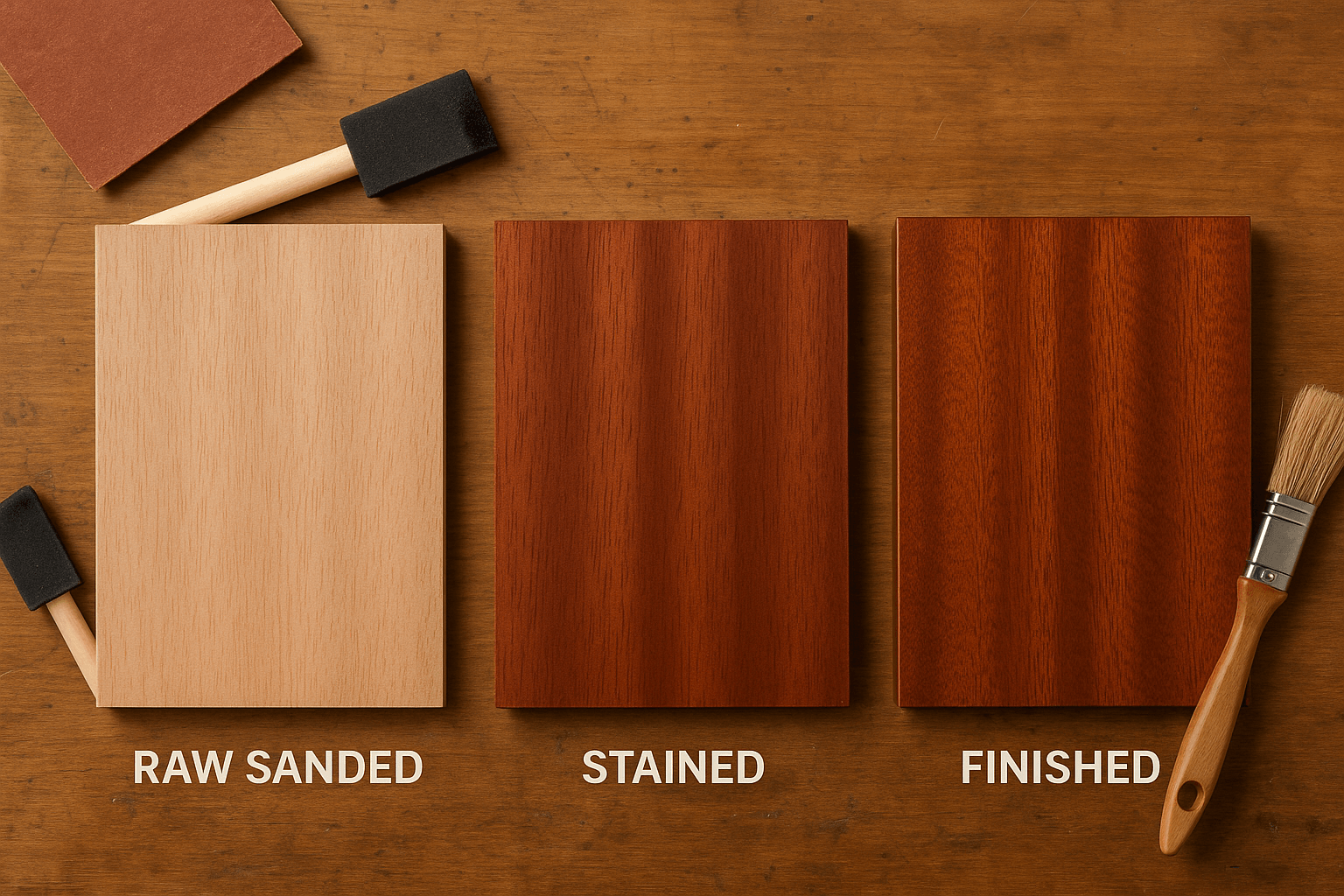
Finishing Sapele
Sapele generally finishes well, and clear finishes can emphasize its reddish-brown color and ribbon figure. Oils, shellac, lacquer, varnish, and other clear systems can all produce attractive results when matched to the intended use.
Because figured areas can respond differently to color, stains and dyes should be tested on offcuts or hidden areas first. A clear or lightly colored finish is often sufficient when the goal is to preserve the wood's natural contrast rather than substantially change its color.
What Is Sapele Wood Used For?
Sapele is used in projects that benefit from its combination of appearance, moderate density, strength, hardness, and finishing quality. Its suitability varies with the amount of wear, moisture exposure, and machining complexity involved.
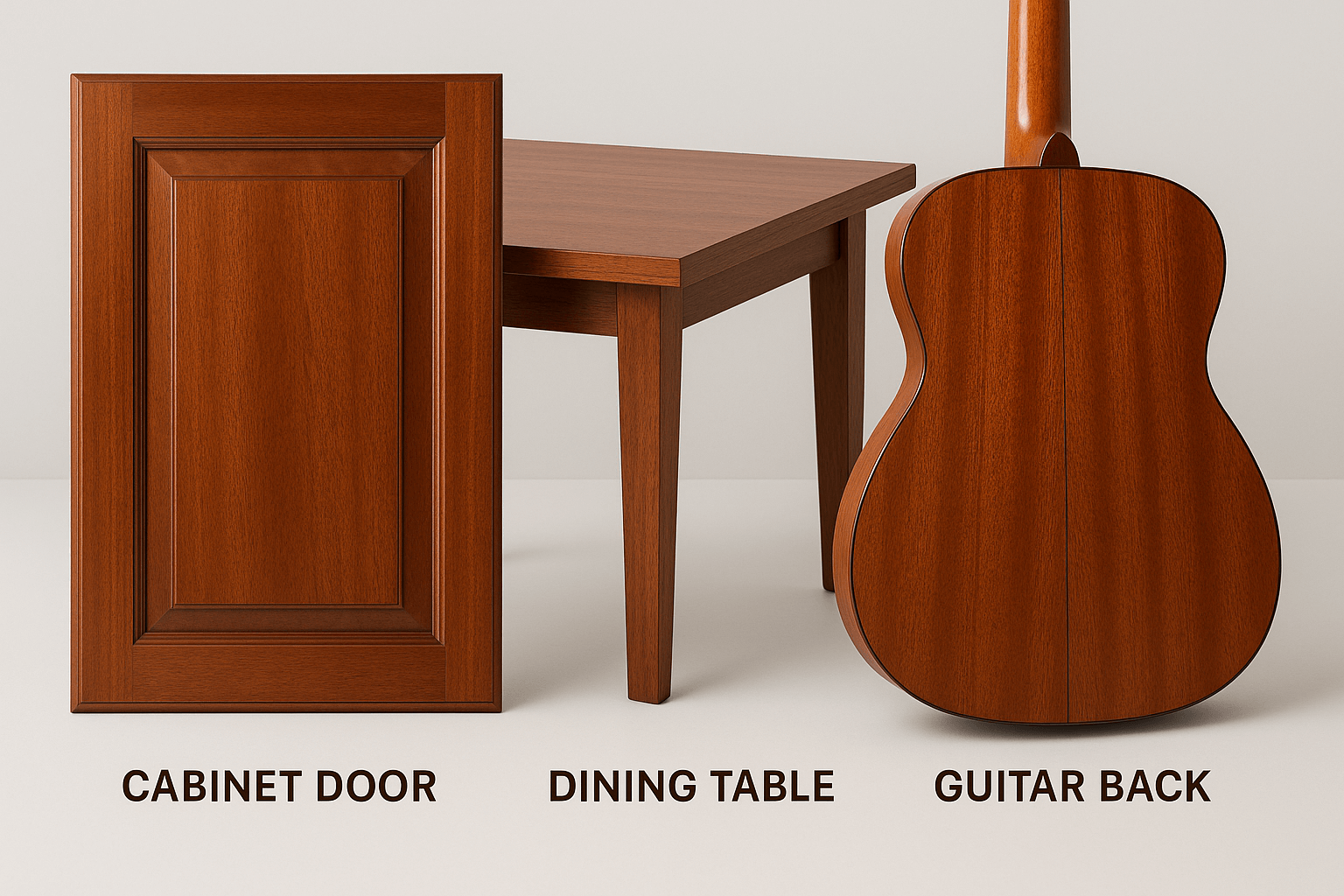
Furniture and Cabinetry
Sapele is widely used for tables, cabinets, casework, chairs, furniture frames, drawer fronts, and other interior pieces. Its fine texture and reddish-brown color work well in both solid wood and veneered construction.
Doors, Windows and Millwork
Sapele is commonly used for doors, interior and protected exterior joinery, mouldings, paneling, stair components, and architectural millwork. Quartersawn stock can be particularly attractive where repeated ribbon figure is part of the design.
Flooring and Interior Panels
Its useful hardness and mechanical properties make Sapele suitable for flooring and interior paneling when properly dried and installed. As with any wood floor, dimensional movement and site moisture conditions must be considered before installation.
Musical Instruments and Veneer
Sapele is used in guitars, ukuleles, piano components, decorative veneer, and other instrument or specialty applications. Its appeal in instruments comes from a combination of structural properties, weight, workability, availability, and appearance rather than from a single guaranteed tonal characteristic.
Exterior and Selected Marine Uses
Sapele can be used in selected exterior joinery, doors, furniture, and boat-related components when design and maintenance are appropriate. Its moderately durable heartwood provides useful resistance, but applications exposed to persistent moisture require greater caution than species selected primarily for exceptional natural weather resistance.
Sapele Wood Pros and Cons
Sapele offers a useful combination of appearance and performance, but its interlocked grain and moderate natural durability create tradeoffs that matter in real projects. A short pros-and-cons summary helps put those characteristics into practical context.
Advantages of Sapele
- Rich reddish-brown heartwood with attractive natural luster.
- Distinctive ribbon and figured grain on suitable boards.
- Useful hardness, strength, and stiffness for many interior applications.
- Suitable for furniture, cabinetry, doors, millwork, flooring, veneer, and instruments.
- Generally glues and finishes well.
- Moderately durable heartwood for selected protected exterior uses.
Disadvantages of Sapele Wood
- Interlocked grain can cause tear-out during planing and machining.
- Figure and grain direction can vary significantly from board to board.
- Outdoor use still requires appropriate design and maintenance.
- Drying must be controlled because Sapele can warp.
- Iron contamination can cause dark staining under moist conditions.
- Imported tropical hardwood sourcing requires attention to legality and traceability.
Is Sapele Wood Sustainable?
Sapele cannot be labeled simply as sustainable or unsustainable based on the species name alone. Forestry practices, harvest legality, supply-chain traceability, certification, and the condition of source forests all affect the environmental profile of the lumber being purchased.
Conservation and Responsible Sourcing
Sapele (Entandrophragma cylindricum) is currently listed as Vulnerable on the IUCN Red List. However, the current assessment dates from 1998 and is marked as needing an update, so the classification should be understood in that context.
Sapele is an internationally traded tropical hardwood, so responsible sourcing matters. Buyers should prefer suppliers that can document legal origin and provide meaningful information about forest management and chain of custody.
Sapele is not currently listed in the CITES Appendices. That does not conflict with its IUCN status: the IUCN Red List evaluates conservation and extinction risk, while CITES regulates international trade in listed species. Neither status alone determines whether a specific shipment of lumber was responsibly produced.
What to Look for When Buying Certified Sapele
FSC or PEFC certification can provide additional traceability when certified stock is available. Buyers should also consider supplier transparency, country of origin, documentation, and whether certification applies to the actual product being purchased rather than only to the seller in general.
How to Buy Sapele Lumber
Buying Sapele involves more than choosing a reddish-brown board. Cut orientation, figure, grain reversal, moisture condition, defects, and color matching can all affect how the material machines and how consistent the finished project will look.
Quartersawn vs. Flatsawn Sapele
Quartersawn Sapele is especially valued when strong ribbon stripe is desired because the cut exposes the interlocked grain in a way that produces repeated light-and-dark bands. Flatsawn stock can show a broader and less regular grain pattern.
The best cut depends on the project. A buyer selecting highly visible cabinet doors or veneer may prioritize figure, while structural or less visible components may be chosen mainly for dimensions, stability, and defect-free yield.
Figure, Color and Grain Consistency
For matched furniture, cabinetry, paneling, or doors, compare adjacent boards for color, ribbon spacing, figure intensity, and grain direction. Highly figured stock may be visually impressive but can also require greater care during machining.
Moisture Content, Checks and Board Condition
Inspect boards for bow, cup, twist, end checks, drying defects, staining, and other damage that reduces usable yield. Proper moisture content is especially important for flooring, doors, cabinetry, and precision joinery.
Because Sapele can warp during drying, straightness and stability should be evaluated before purchase rather than assumed from species reputation alone.
Lumber, Veneer and Plywood
Sapele is available as solid lumber as well as decorative veneer and plywood products. Veneer can provide highly figured surfaces with less solid hardwood, while solid boards are more appropriate where thickness, edge treatment, carving, or structural wood components are required.
Sapele Buying Checklist
- Species: Confirm that the material is genuine Sapele, Entandrophragma cylindricum.
- Cut: Decide whether quartersawn ribbon figure or a broader flatsawn appearance suits the project.
- Figure: Check intensity and consistency across visible boards.
- Grain direction: Look for reversal that may complicate machining.
- Color: Match boards when several pieces will remain visible together.
- Moisture: Confirm appropriate moisture content for the intended environment.
- Flatness: Inspect for bow, cup, and twist.
- Checks: Examine ends and faces for drying splits or other defects.
- Sapwood: Decide whether its lighter color is acceptable for the project.
- Sourcing: Ask for origin and certification information when responsible sourcing is a priority.
Sapele vs. Mahogany
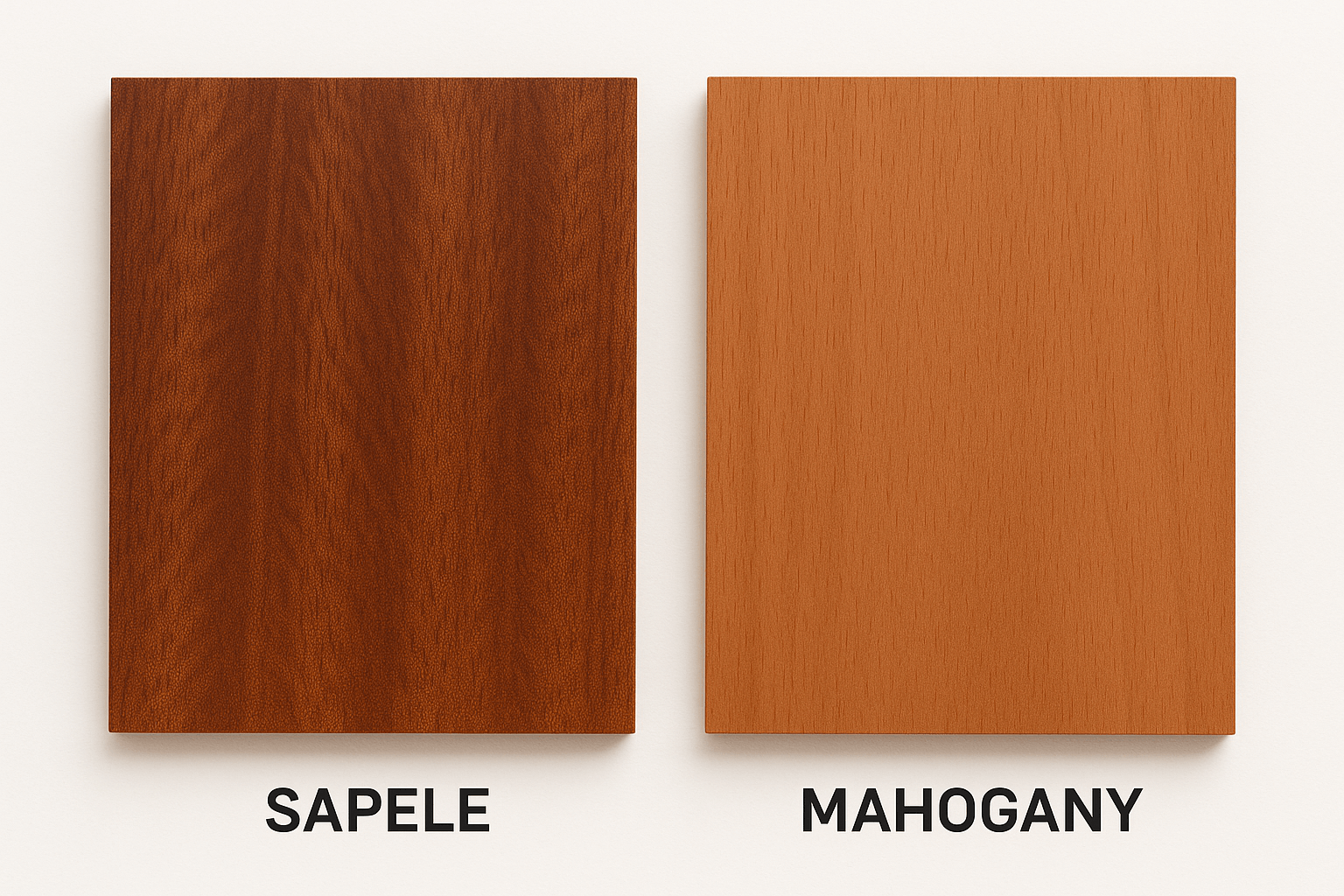
Sapele and mahogany are compared because they share a botanical family, warm reddish-brown appearance, and many woodworking applications. They are not the same wood, and differences in grain, figure, density, machining behavior, availability, and price can make one more suitable than the other for a particular project.
Sapele vs. Genuine Mahogany
Genuine mahogany and Sapele can both produce warm reddish-brown surfaces and are used for furniture, cabinetry, millwork, doors, veneer, and instruments. Genuine mahogany typically has a more subdued grain, while Sapele is more strongly associated with interlocked grain and ribbon stripe.
Sapele can also be denser and more demanding to plane cleanly when the grain reverses. Pricing varies by grade, dimensions, supply, source, and the specific mahogany material being compared, so Sapele should not be described as universally cheaper.
Sapele vs. African Mahogany
African mahogany generally refers to Khaya species, which are also members of the Meliaceae family but are botanically distinct from Sapele. Both can serve similar decorative and woodworking roles, but individual boards differ in density, grain behavior, figure, and color.
When choosing between them, compare actual stock rather than relying only on the trade name. Grain direction, dimensions, drying quality, figure, and intended use often matter as much as the broad species label.
Frequently Asked Questions About Sapele Wood
These questions address common practical concerns without repeating the full technical sections above. They focus on hardness, outdoor suitability, appearance, and workability where a short direct answer is more useful than another full section.
Is Sapele Harder Than Oak?
Sapele is relatively hard and has mechanical properties that can exceed those of some familiar oak species, but comparisons depend on which oak and which property is being measured. Janka hardness, bending strength, and stiffness should be compared separately rather than treated as one number.
Is Sapele Good for Outdoor Use?
Sapele can be used for selected exterior projects because its heartwood is moderately durable, but it still benefits from good construction details, moisture management, suitable finishing, and periodic maintenance.
Does Sapele Darken With Age?
Sapele can deepen in color after exposure to light and finishing, moving from medium reddish brown toward richer, darker reddish or purplish tones. The degree of change varies by board and finish.
Is Sapele Difficult to Work With?
Sapele generally works well, but interlocked grain can make planing and routing more challenging because the fiber direction may reverse. Sharp tools, lighter cuts, and careful surface preparation help reduce tear-out.
What Are the Main Disadvantages of Sapele Wood?
The main limitations are tear-out from interlocked grain, possible warping during drying, variable figure between boards, iron staining under moist conditions, and the need for careful sourcing and maintenance in exterior applications.
Explore More About Wood: