Ipe Wood: Durability, Uses, Pros and Cons
Ipe wood is one of the most durable hardwoods used in outdoor construction. Known for its exceptional hardness, rich brown color, and natural resistance to moisture, insects, and decay, it is a premium choice for decking, outdoor furniture, docks, and other high-performance projects.
If you are wondering whether ipe wood is worth the price, the short answer is yes for the right project. Ipe is prized for its long lifespan, low maintenance requirements, and ability to perform in demanding outdoor conditions. In this guide, you will learn what ipe wood is, where it comes from, how durable it is, its main uses, drawbacks, and whether it is a good choice for decking and outdoor applications.
What Is Ipe Wood?
Ipe wood, pronounced “ee-pay”, is a tropical hardwood harvested from trees native to Central and South America. It is most commonly associated with Brazil, although it is also found in countries such as Peru and Bolivia. In the lumber market, “ipe” usually refers to a group of dense hardwood species valued for their strength, durability, and weather resistance.
Ipe is widely used in premium outdoor construction because it naturally withstands harsh conditions that quickly damage many other woods. That is why it has become a leading material for decking, boardwalks, siding, docks, and exterior furniture.
Why Is Ipe Wood So Popular?
Ipe wood is popular because it combines extreme durability with natural beauty. Homeowners, architects, and contractors often choose it when they want a hardwood that can handle years of outdoor exposure without losing structural integrity.
The biggest reason for its popularity is performance. Ipe is exceptionally dense, very hard, and naturally resistant to rot, insects, and moisture. It also has an elegant appearance that suits both modern and traditional outdoor designs. For many buyers, it offers the look of luxury hardwood with long-term value that justifies the higher upfront cost.
Ipe Wood Properties
Ipe wood stands out because of its physical properties. It is one of the densest and hardest commercially available hardwoods, which is why it performs so well in exterior applications.
Density
Ipe wood density is extremely high, often reaching around 60 to 68 pounds per cubic foot. This high density helps the wood resist wear, impact, moisture penetration, and biological damage.
Hardness
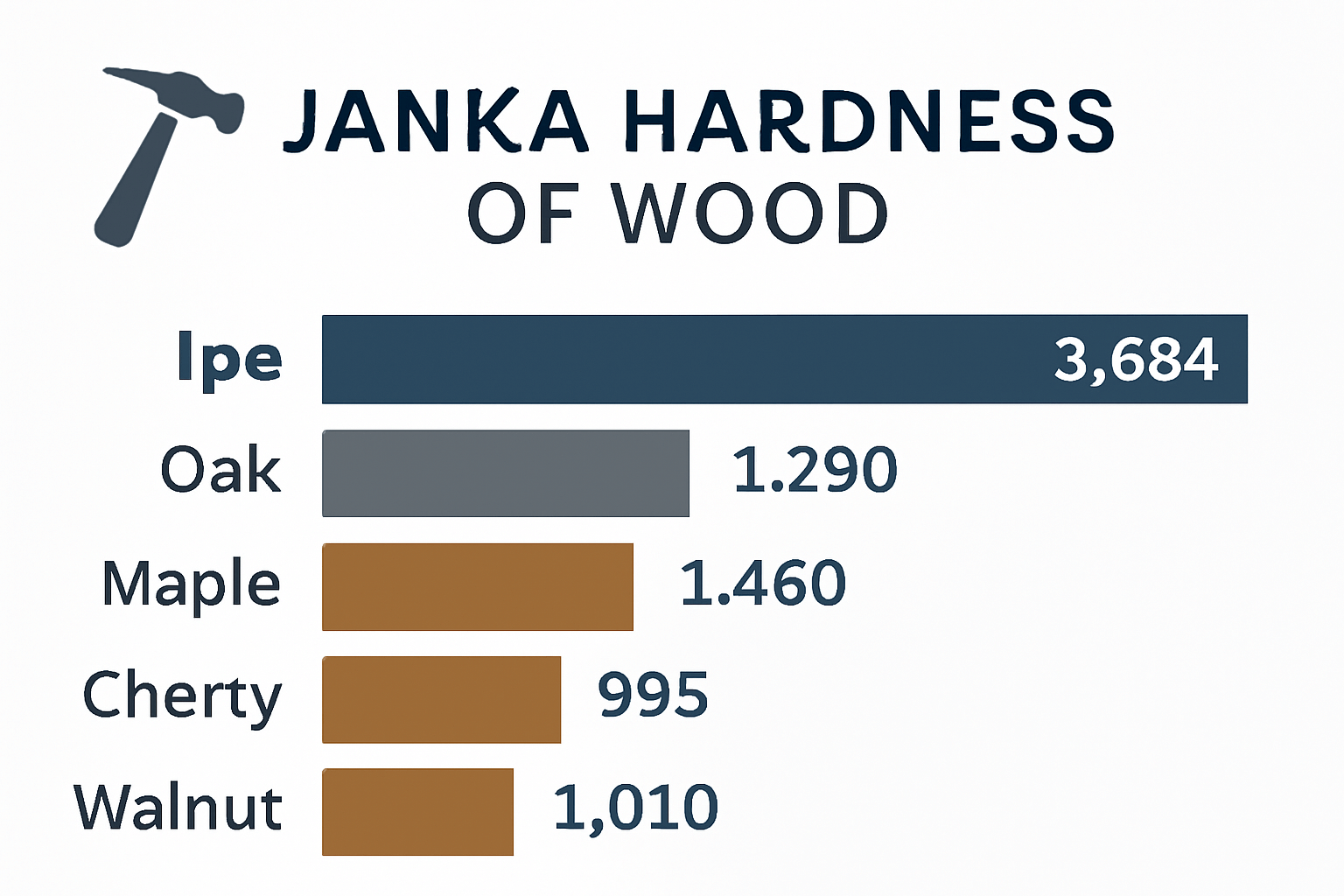
If you are researching ipe hardness or ipe Janka hardness, ipe is rated at approximately 3,684 lbf on the Janka scale. That makes it significantly harder than many commonly used hardwoods, including oak and maple. This is one of the main reasons it is favored for high-traffic and exposed outdoor use.
Texture and Grain
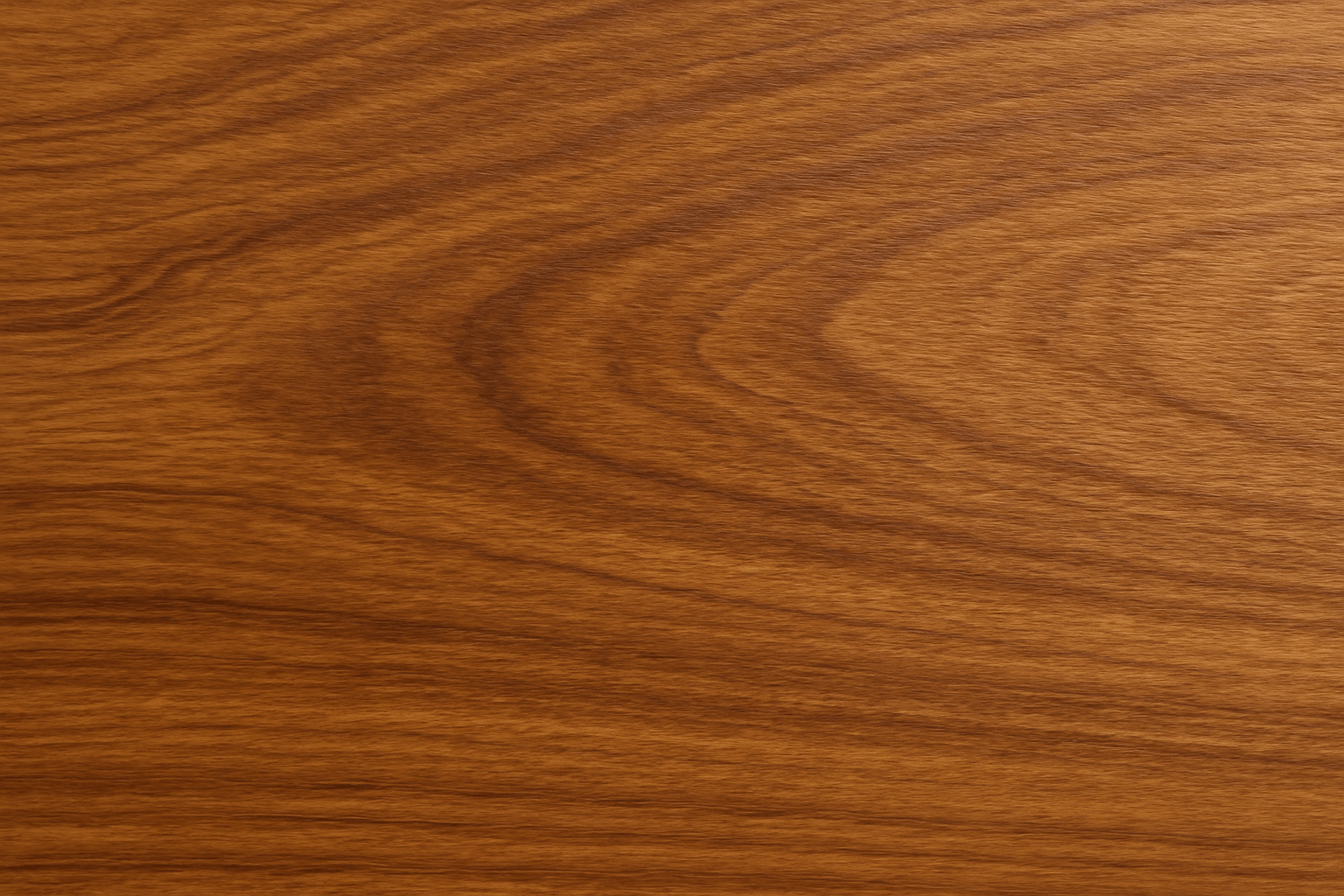
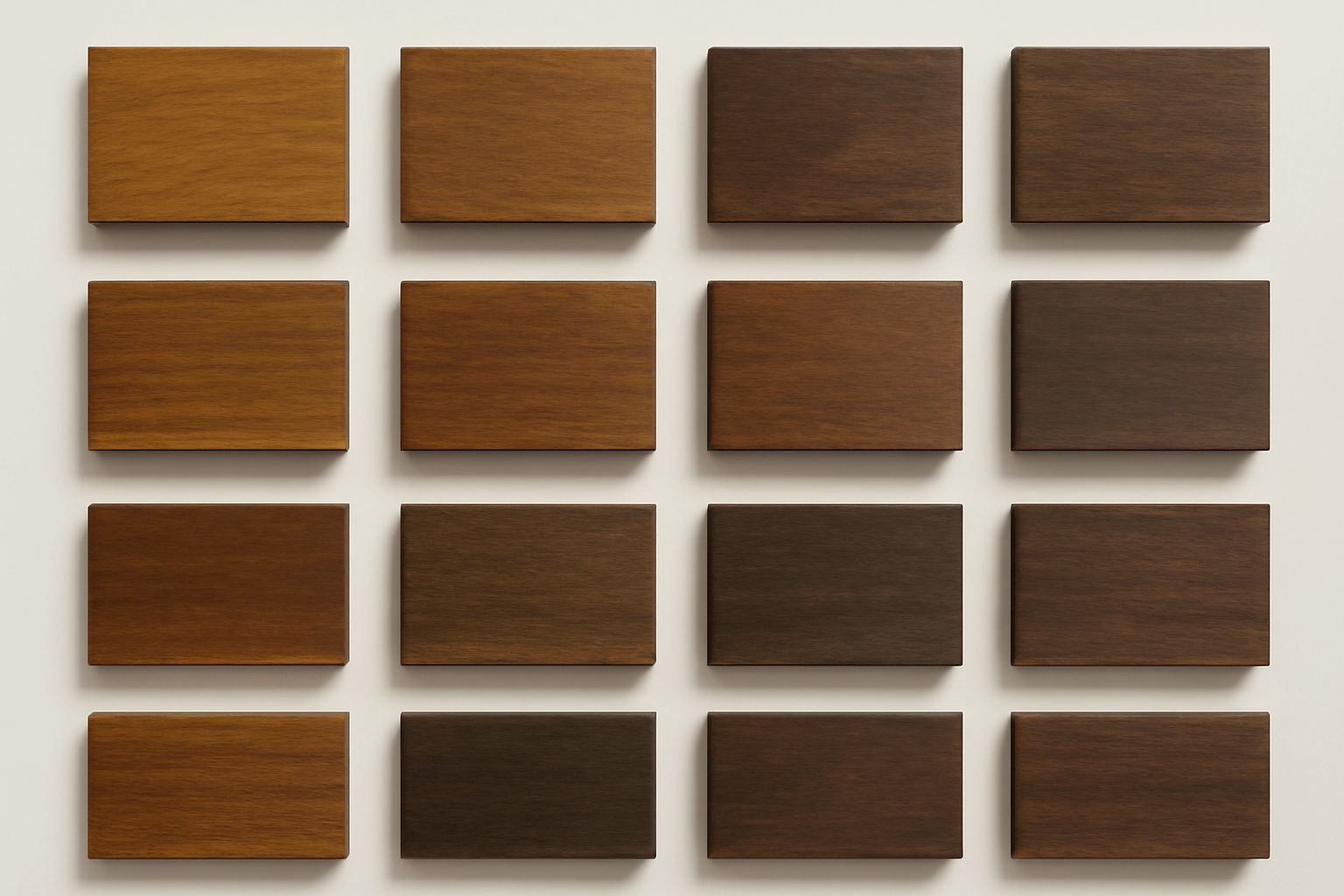
Ipe wood texture is generally fine to medium, and the grain may be straight, slightly wavy, or interlocked. Its natural appearance ranges from medium brown to dark brown, sometimes with subtle reddish or olive undertones. These visual qualities give ipe a refined, premium look.
How Durable Is Ipe Wood?
Ipe wood is exceptionally durable. In fact, durability is the main reason it dominates the premium hardwood decking market. Its density and natural extractives make it highly resistant to many of the problems that shorten the life of other woods.
Long Lifespan
Properly installed and maintained ipe decking can last for decades. This long service life is one of its biggest selling points and helps offset its higher purchase price.
Moisture Resistance
Ipe performs extremely well in wet and humid environments. Its dense structure slows moisture absorption, which helps reduce the risk of swelling, rot, and premature deterioration.
Insect and Decay Resistance
Ipe wood is naturally resistant to termites, insects, and fungal decay. That makes it especially valuable for outdoor structures, tropical climates, and ground-level applications where other woods often fail more quickly.
Fire Resistance
One of the more unique benefits of ipe is that it is often recognized for strong fire performance compared with many other decking materials. This makes it attractive for projects in areas where fire resistance matters.
Is Ipe Wood Good for Decking?
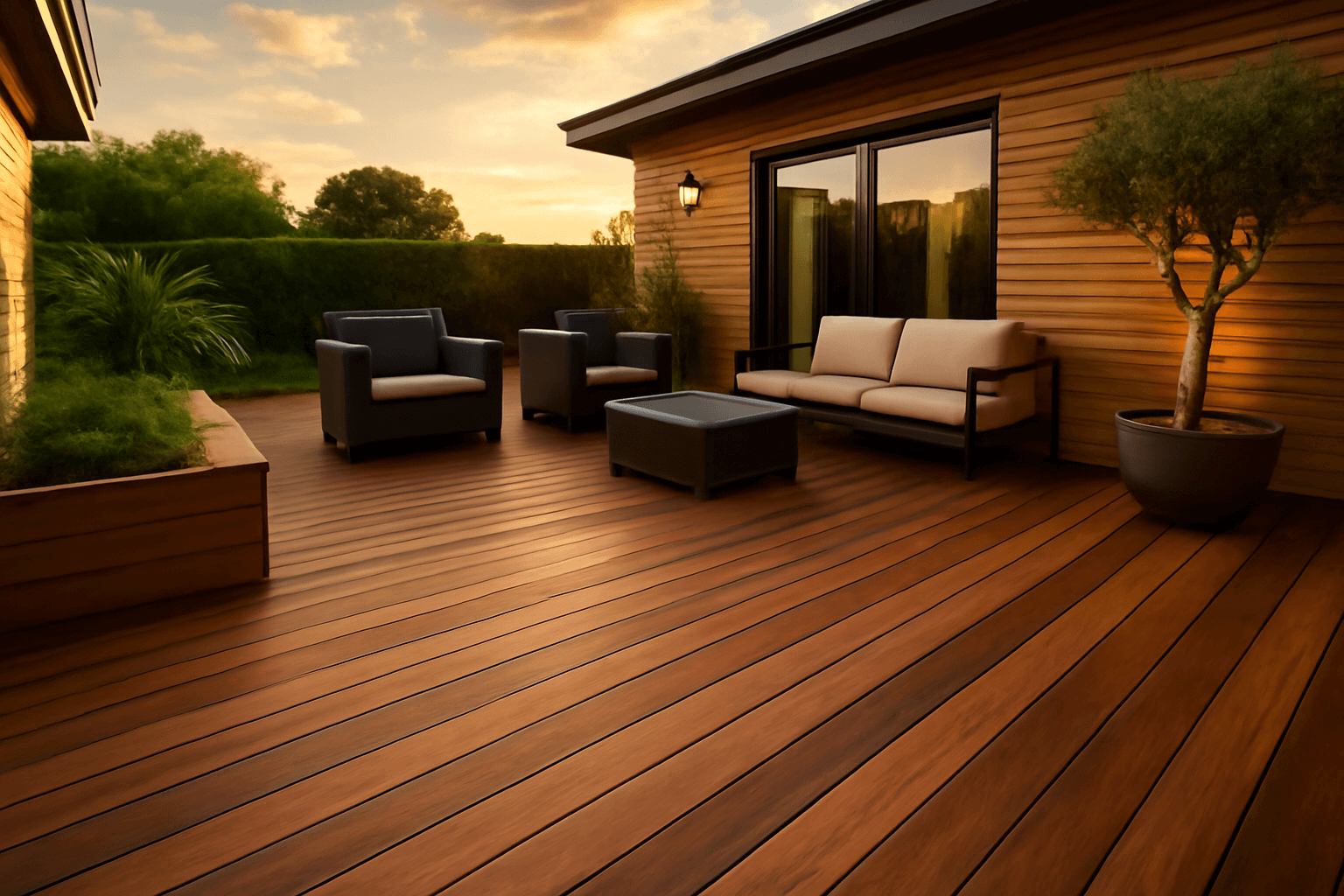
Yes, ipe wood is one of the best hardwoods for decking. It is widely used in high-end residential decks, commercial boardwalks, pool surrounds, and rooftop terraces because it handles weather, wear, and heavy foot traffic extremely well.
The main advantages of ipe decking include its long lifespan, excellent resistance to moisture and insects, luxurious appearance, and very low structural maintenance needs. It also stays stronger for longer than many softer decking woods.
That said, ipe is not the right choice for every project. It is heavy, hard to cut, and more expensive than many alternatives. Buyers who want premium natural hardwood performance usually see it as a worthwhile investment, while budget-focused projects may prefer another option.
Ipe Wood Uses
Ipe wood is best known for outdoor construction, but it is also used in other demanding applications where strength and weather resistance are essential.
- Decking: one of the most common and most valuable uses of ipe wood
- Outdoor furniture: tables, benches, seating, and patio sets
- Docks and boardwalks: ideal for wet and high-traffic environments
- Siding and cladding: used in premium exterior architectural design
- Millwork: trim, custom details, and specialty exterior components
- Commercial outdoor spaces: resorts, parks, marinas, and public walkways
If you are asking what is ipe wood used for, the short answer is simple: it is mainly used where durability matters more than easy workability.
Ipe Wood Pros and Cons
Pros of Ipe Wood
- Extremely durable: one of the toughest hardwoods used in construction
- Excellent for decking: ideal for outdoor environments and high-traffic areas
- Resistant to insects and decay: performs well in harsh conditions
- Moisture resistant: suitable for docks, patios, and humid climates
- Beautiful natural appearance: rich brown color and elegant grain
- Long lifespan: can last for decades with proper installation and care
Cons of Ipe Wood
- High cost: more expensive than many other decking materials
- Difficult to work with: very hard and dense, which complicates cutting and fastening
- Heavy material: installation can be slower and more demanding
- Sourcing concerns: sustainability depends heavily on responsible suppliers
- Requires planning: best results depend on proper tools and installation methods
Ipe Wood Problems and Considerations
Ipe wood is not a problem-free material. While it performs exceptionally well, buyers should understand its limitations before choosing it for a project.
Cost
The biggest drawback for most buyers is price. Ipe is considered a premium hardwood, and that affects both material cost and labor cost.
Workability
Because it is so hard, ipe can be difficult to machine, drill, and fasten. Contractors often need special blades, carbide tools, and pre-drilling techniques to install it correctly.
Weight
Ipe is very heavy, which adds difficulty to transport, handling, and installation. This is not usually a deal-breaker, but it is an important practical factor.
Sustainability
Not all ipe is sourced equally. If sustainability matters to you, it is important to verify that the wood comes from responsible, certified forest operations.
Ipe Wood vs Other Hardwoods
Many buyers compare ipe with other premium hardwoods before deciding. The right choice depends on budget, appearance, workability, and intended use.
Ipe Wood vs Teak Wood
Teak wood is another respected outdoor hardwood, but it is softer than ipe and usually more expensive at the premium end of the market. Teak is easier to work with and prized for its natural oils, while ipe is generally chosen for superior hardness and decking performance.
Ipe Wood vs Purpleheart Wood
Purpleheart wood is also strong and durable, but it is more often selected for decorative or specialty projects because of its unique color. Ipe is usually the more practical choice for decking and outdoor structural use.
Ipe Wood vs Sapele Wood
Sapele wood is easier to work with and often more affordable, but it does not match ipe in hardness, weather resistance, or overall outdoor longevity. If maximum durability is your priority, ipe is the stronger option.
If cost or easy installation matters more than ultimate durability, you may also consider alternatives such as mango wood for interior use or basswood for easy workability, though neither serves the same role as ipe in exterior decking.
Where Does Ipe Wood Come From?
If you are researching where does ipe wood come from or where is ipe wood from, most commercial ipe comes from South America, especially Brazil. It is also harvested in countries such as Peru and Bolivia.
Ipe trees grow in tropical forests and can reach impressive heights. Because demand for ipe has increased over time, responsible sourcing has become a major issue in the market. Buyers who want a more sustainable option should look for suppliers that can provide documentation and recognized certification.
Is Ipe Wood Sustainable?
Ipe wood can be sustainable, but only when it is sourced responsibly. Sustainability is one of the biggest concerns surrounding tropical hardwoods, so certification matters. The best approach is to buy from reputable suppliers that follow legal harvesting practices and can verify responsible forest management.
For environmentally conscious buyers, this question is not optional. The long lifespan of ipe is a major benefit, but it should be balanced with careful sourcing decisions.
How to Maintain Ipe Wood
One reason ipe is so popular is that it does not require constant maintenance to remain structurally sound. However, proper care helps preserve its appearance.
- Clean the surface regularly to remove dirt and debris
- Wash spills and organic matter off outdoor surfaces when possible
- Apply a suitable hardwood oil if you want to maintain the original brown color
- Allow the wood to weather naturally if you prefer a silver-gray patina
- Inspect deck fasteners and boards periodically in high-exposure environments
Structurally, ipe is low-maintenance. Cosmetically, maintenance depends on whether you want to preserve its original color or let it age naturally.
Frequently Asked Questions About Ipe Wood
What is ipe wood?
Ipe wood is a dense tropical hardwood from Central and South America, mainly used for decking, outdoor furniture, docks, and other exterior applications.
How do you pronounce ipe?
Ipe is pronounced “ee-pay.”
How hard is ipe wood?
Ipe is extremely hard, with an approximate Janka hardness rating of 3,684 lbf.
What is ipe wood used for?
Ipe wood is mainly used for decking, outdoor furniture, docks, boardwalks, cladding, and other projects that require long-term outdoor durability.
Is ipe wood good for decking?
Yes. Ipe is widely considered one of the best hardwoods for decking because of its strength, moisture resistance, insect resistance, and long lifespan.
Is ipe wood sustainable?
It can be, but only when sourced from responsible suppliers that follow verified forestry practices.
Final Thoughts
Ipe wood is one of the best choices available for premium outdoor hardwood applications. Its exceptional hardness, weather resistance, and long lifespan make it especially well suited for decking, docks, and outdoor living spaces where performance matters more than low upfront cost.
It is not the cheapest or easiest wood to work with, but for buyers who want a luxury hardwood that can withstand demanding conditions for many years, ipe remains one of the strongest options on the market.
Explore More About Wood: