Sapele Wood: Characteristics, Uses, and Hardness
Sapele wood is a tropical African hardwood valued for its rich reddish-brown color, ribbon-like grain, and excellent balance of beauty, durability, and workability. Often compared to mahogany, sapele wood is widely used for furniture, cabinetry, doors, millwork, flooring, and musical instruments.
If you are wondering what is sapele wood, how durable it is, what its hardness rating means, or whether it is a sustainable choice, this guide covers the essential facts in a practical format for woodworkers, homeowners, designers, and buyers.
What Is Sapele Wood?
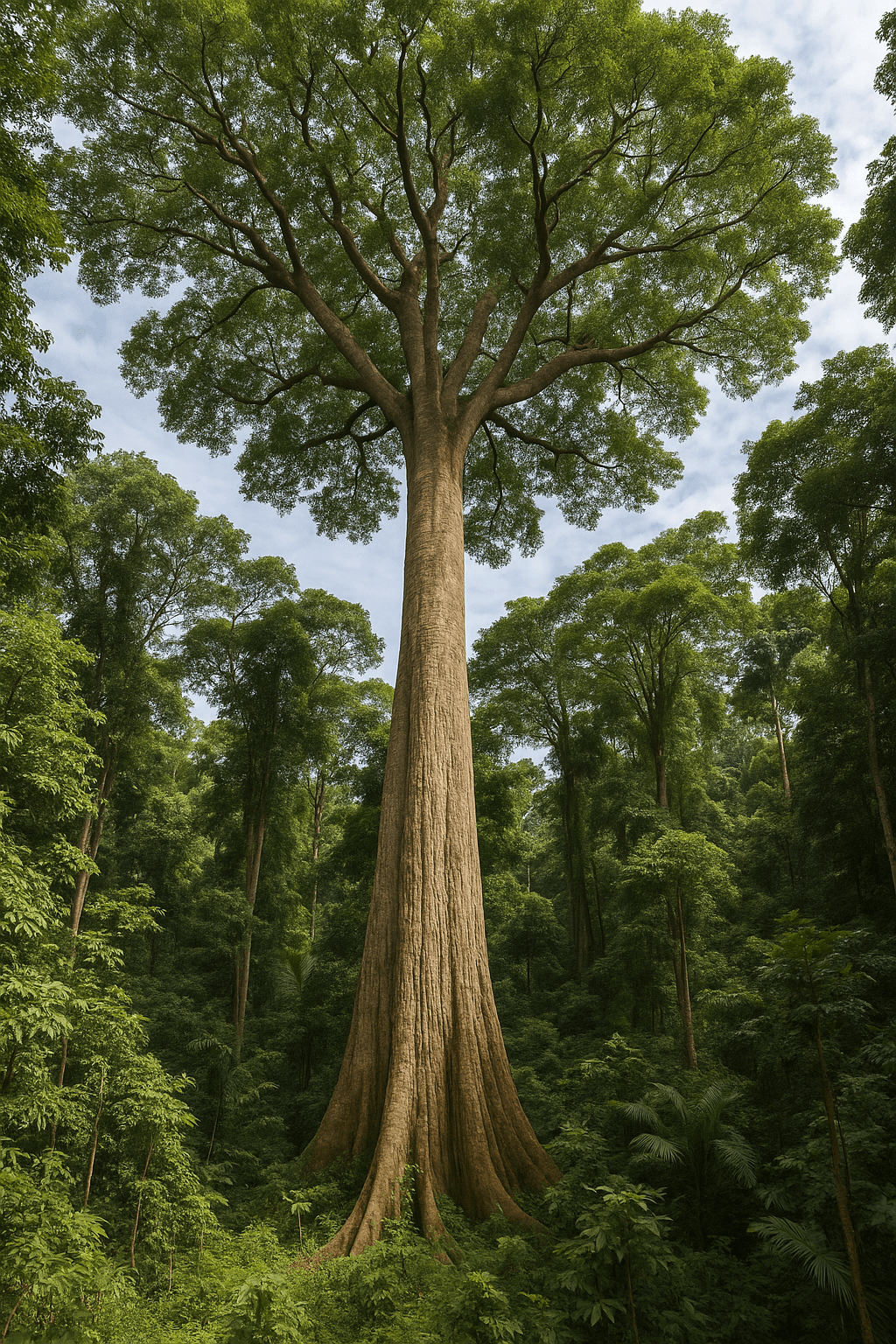
Sapele is a species of tropical hardwood native to West and Central Africa. Its scientific name is Entandrophragma cylindricum, and it belongs to the Meliaceae family, which also includes mahogany. Because of that relationship, sapele wood is often seen as one of the best mahogany alternatives for projects that need a similar warm appearance with a more pronounced grain pattern.
The sapele tree can grow up to 150 feet tall, producing timber prized for its strength, appearance, and dependable machining properties. In the U.S. market, sapele wood is commonly used in premium furniture, cabinetry, architectural millwork, veneer, instruments, and specialty woodworking projects.
What Does “Sapele” Mean?
The name “sapele” is associated with the Nigerian port city of Sapele, which historically played an important role in the timber trade. Over time, the city name became widely used for the wood species itself.
Where Do Sapele Trees Grow?
If you are asking where do sapele trees grow, the answer is in tropical forests across West and Central Africa. Sapele wood is commonly sourced from countries such as Ghana, Nigeria, Cameroon, Gabon, and Ivory Coast, where humid forest conditions allow the species to mature and develop its characteristic color and figure.
Sapele Wood Appearance and Characteristics
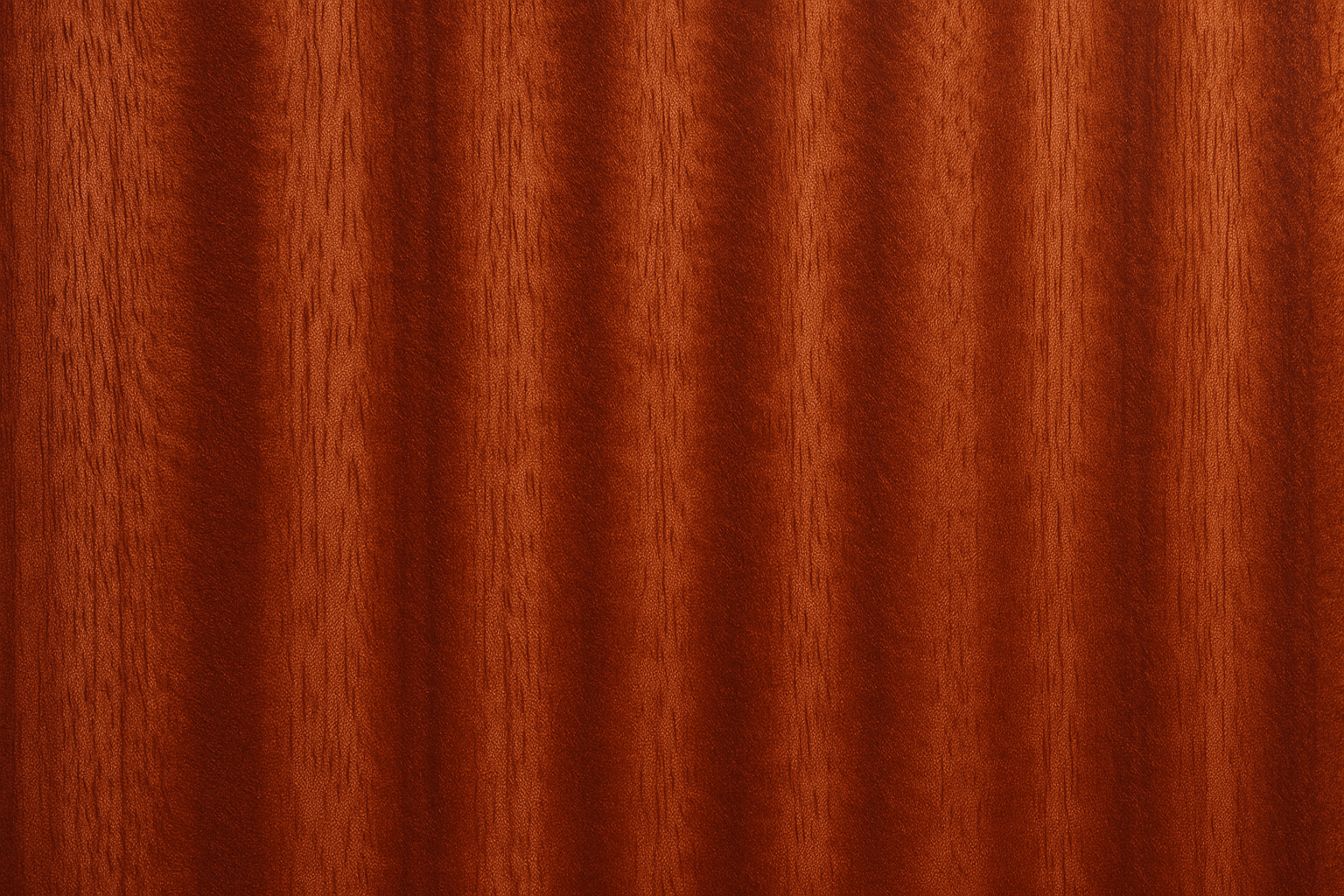
One of the biggest reasons sapele wood is so popular is its appearance. It usually shows a warm reddish-brown tone that deepens slightly with age and finishing, creating a refined, high-end look suitable for both classic and modern interiors.
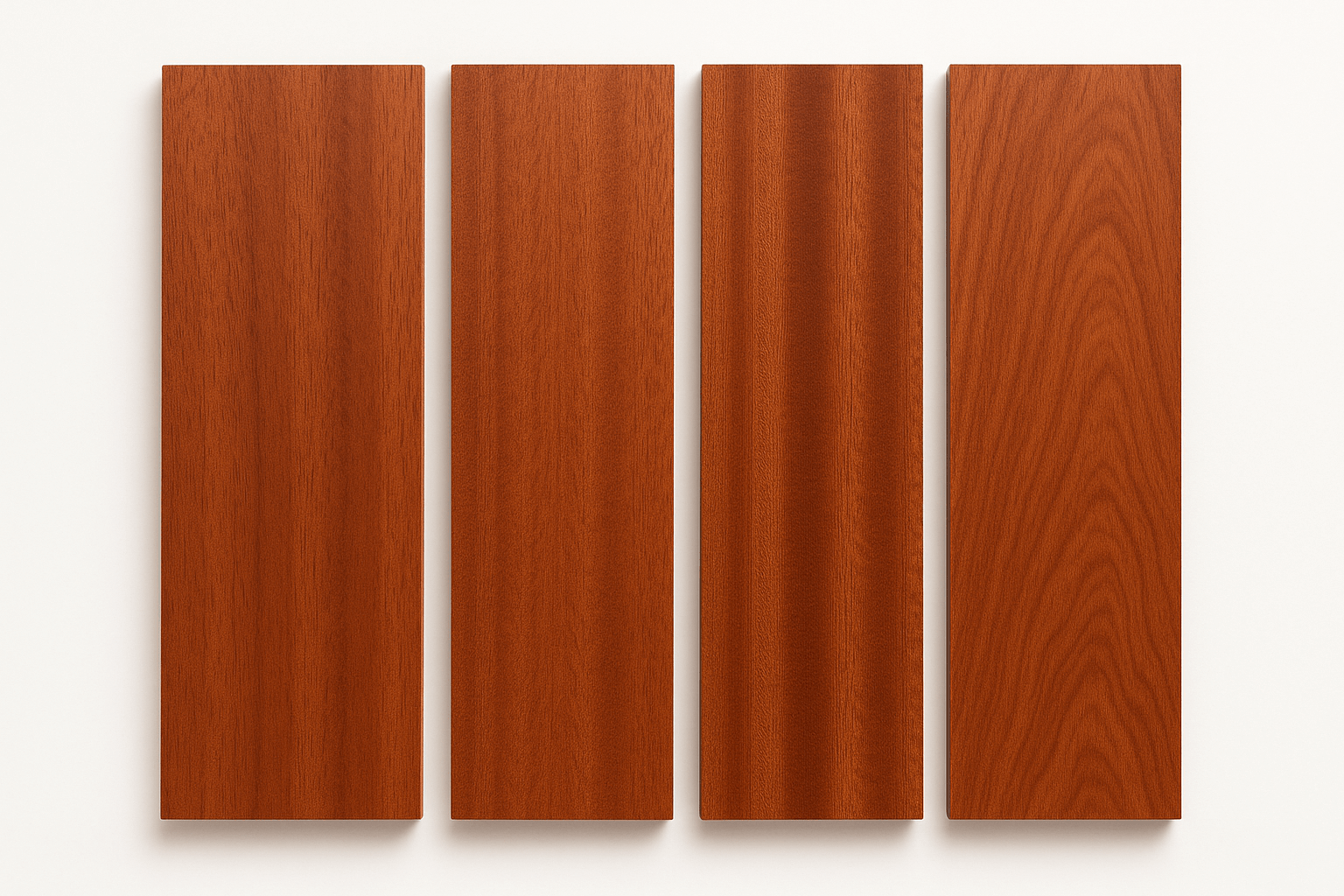
Sapele wood characteristics typically include a fine to medium texture, natural luster, and a grain that may be straight, interlocked, wavy, or ribbon-striped depending on the cut. Quarter-sawn material is especially valued because it can reveal the dramatic ribbon figure that makes sapele stand out from more uniform hardwoods.
Sapele Color
Sapele color usually ranges from medium red-brown to deeper reddish-brown. Freshly milled boards may appear somewhat lighter, but exposure to light and finishing products often enriches the tone over time.
Grain and Figure
Sapele is especially known for its interlocked grain, which can produce ribbon stripe, fiddleback, or pommele figure. That stronger visual movement is one of the main differences between sapele and plain-grained woods used in standard furniture production.
Sapele Wood Properties
When discussing sapele wood properties, the most important traits are its stability, density, workability, moderate decay resistance, and attractive finishing response. It is a dependable hardwood for furniture-grade projects because it machines well, glues effectively, and accepts finishes beautifully.
In practical use, sapele wood is strong enough for everyday interior applications while still being manageable in the shop. It holds nails and screws well and performs reliably in cabinetry, interior joinery, paneling, and millwork when properly dried and installed.
Density and Stability
Sapele is denser than many domestic hardwoods and offers a solid balance between strength and machinability. When milled and dried correctly, it tends to remain reasonably stable, making it well suited for doors, cabinets, trim, and other precision woodworking applications.
Workability
Sapele wood generally cuts, sands, glues, and finishes well. However, because the grain can be interlocked, some boards may be prone to tear-out during planing or shaping. Using sharp cutters, lighter passes, and careful sanding typically solves that problem.
Outdoor Durability and Moisture Resistance
Sapele has moderate moisture resistance, but it is not naturally waterproof. It performs very well indoors and can be used outdoors when properly sealed and maintained. For exterior exposure, protective finishes are important to preserve both appearance and durability.
Sapele Hardness and Janka Rating
Sapele hardness is one of the main reasons this wood is valued for furniture, cabinetry, trim, and other medium-wear applications. It is hard enough to offer good dent resistance and long-term performance, while still being easier to machine than many ultra-dense tropical species.
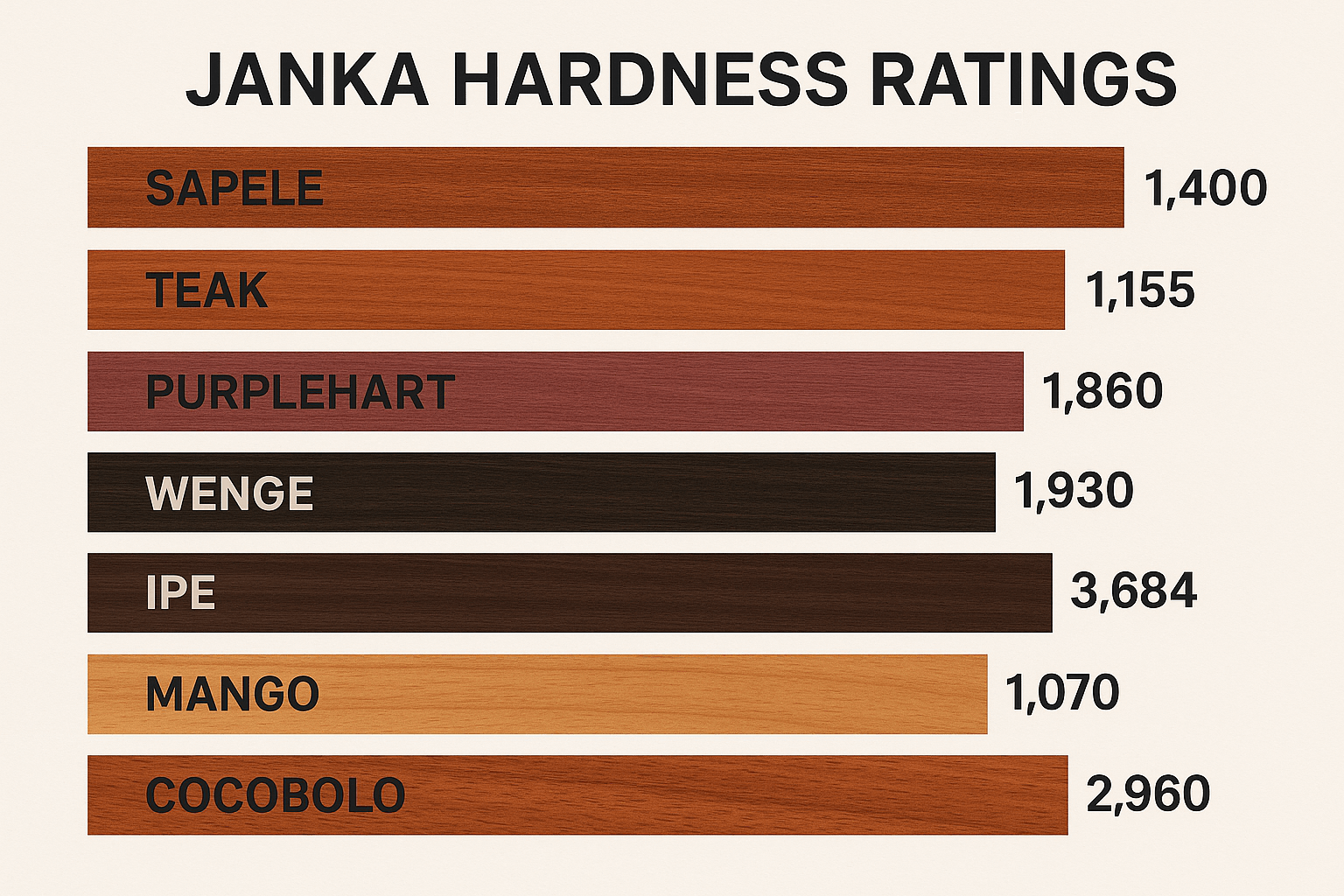
The sapele wood hardness rating is commonly expressed through the Janka test. The sapele Janka hardness value is approximately 1,400 lbf, which means the sapele Janka rating places it in a very practical range for interior woodworking. If you are specifically looking for the sapele wood Janka hardness, this same figure of around 1,400 lbf is the number most often cited.
If you are asking how hard is sapele wood, the short answer is that it is moderately hard and durable, making it suitable for furniture, cabinets, flooring accents, millwork, and many daily-use applications. On the sapele hardness scale, it sits in a useful middle range for strength, dent resistance, and workability.
How Sapele Compares on the Janka Scale
The term sapele Janka is often used as shorthand for the Janka hardness measurement. Compared to many common woods, sapele offers a useful combination of moderate hardness and easy workability. It is harder than teak wood, which is often listed around 1,155 lbf, but teak still has better natural weather resistance for outdoor use.
Is Sapele a Hardwood?
Yes, sapele is a true hardwood. Its botanical classification and physical performance both support that label. The wood’s density, strength, and wear resistance are part of what makes it such a popular option for premium woodworking.
Sapele Wood Uses
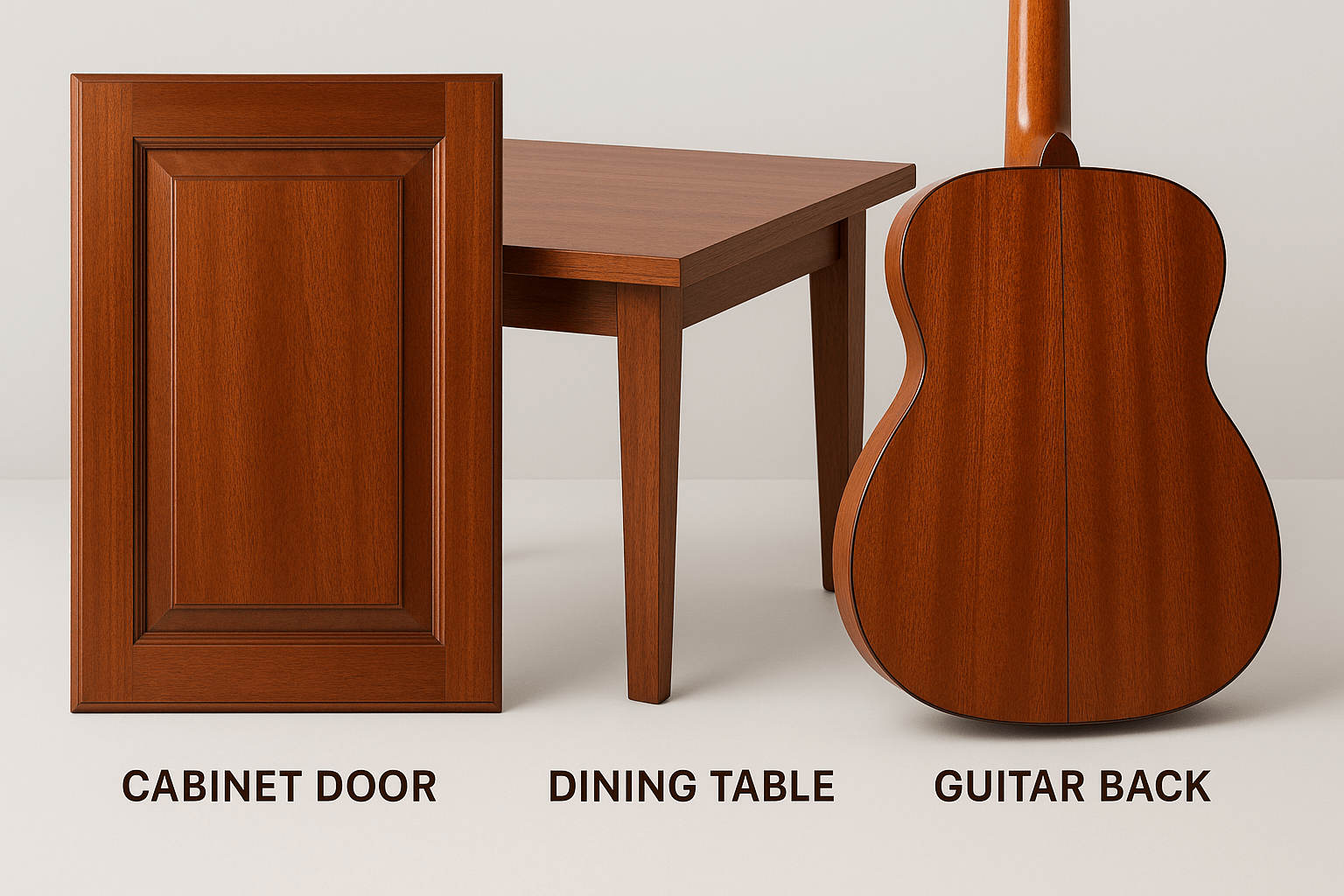
What is sapele wood used for? Sapele is one of the most versatile tropical hardwoods available. Its appearance, hardness, and finishing qualities make it suitable for a wide range of decorative and functional uses.
Furniture and Cabinetry
Sapele wood is widely used in tables, chairs, cabinets, casework, and custom furniture. It offers a premium appearance similar to mahogany while often being more affordable, which makes it attractive for both high-end custom work and value-conscious premium builds.
Millwork, Doors, and Interior Trim
Because of its stability and attractive grain, sapele is frequently chosen for doors, paneling, moldings, stair components, and architectural millwork. Quarter-sawn boards are especially desirable in applications where ribbon figure is a design feature.
Musical Instruments
Instrument makers often use sapele for guitars, ukuleles, pianos, and other stringed instruments. Its tonal qualities can produce a warm, balanced sound, while its appearance adds visual appeal to finished instruments.
Outdoor Furniture and Exterior Use
Although sapele wood is primarily used indoors, it can also work for sapele outdoor furniture and protected exterior projects when properly finished. Weather-resistant coatings and regular maintenance are important if the wood will be exposed to sun, moisture, and changing temperatures.
Sapele Wood vs Mahogany
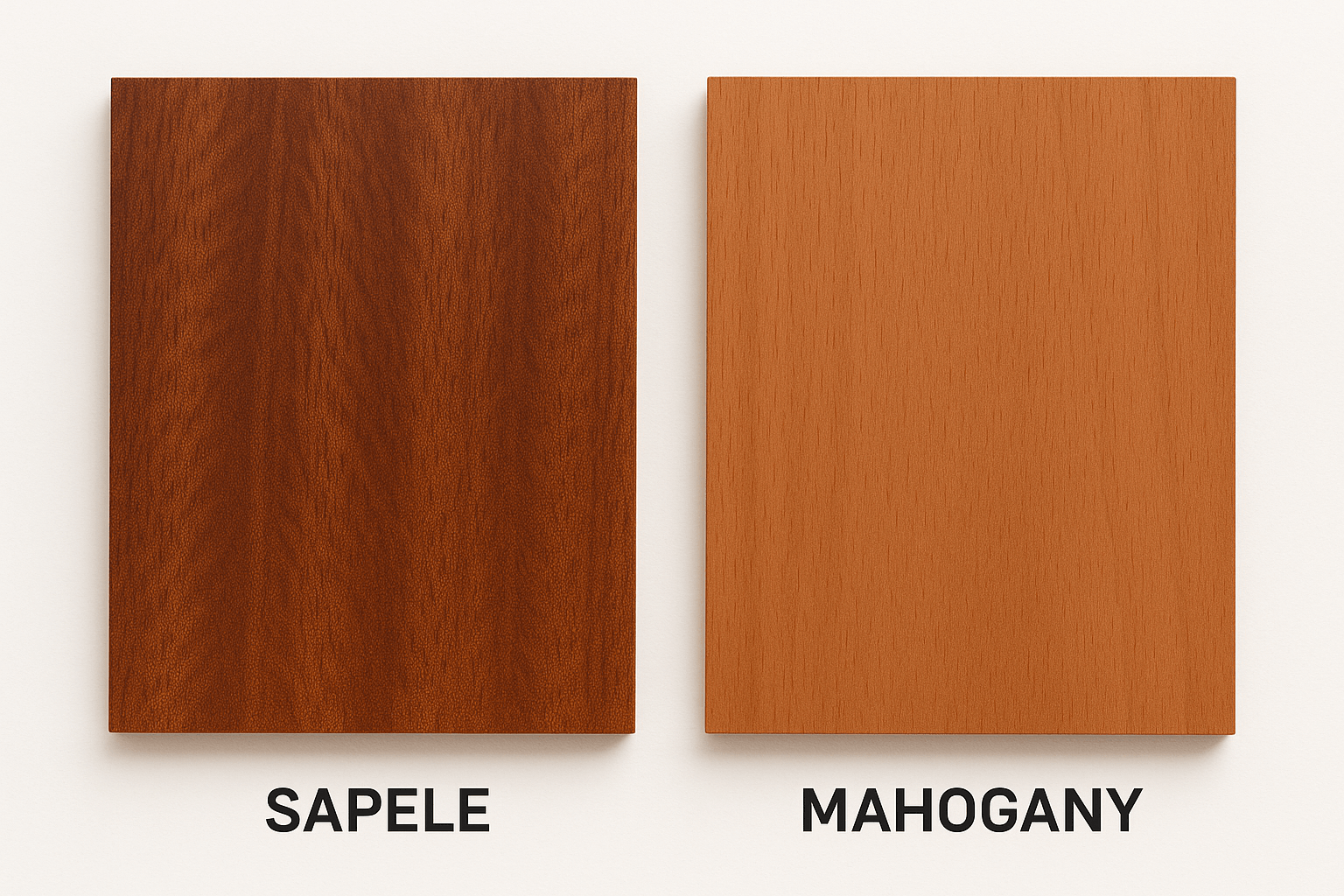
The comparison between sapele wood vs mahogany is one of the most common questions buyers ask. Both woods belong to the same botanical family, share a similar warm color palette, and are used in many of the same applications.
Similarities
Both sapele and mahogany offer attractive reddish-brown tones, good workability, and strong finishing potential. They are both widely used for fine furniture, cabinetry, millwork, doors, and instruments.
Differences
Sapele usually has a more pronounced grain pattern than mahogany, especially in quarter-sawn boards where ribbon stripe becomes highly visible. Mahogany often looks more uniform and understated, while sapele appears more figured and dynamic.
In many cases, sapele wood is also more affordable than mahogany, which makes it attractive for projects that want a similar upscale appearance without the same price level.
Which One Should You Choose?
Choose sapele if you want a mahogany-like hardwood with stronger grain character, excellent value, and dependable performance for furniture and interior woodworking. Choose mahogany if you prefer a more uniform grain and a more traditional appearance.
Sapele Compared to Other Hardwoods
Beyond mahogany, sapele is often compared with other premium and exotic species depending on the project. For outdoor performance, many buyers look at teak wood. For dramatic color or denser exotic options, some compare it with purpleheart wood, wenge wood, ipe wood, or cocobolo wood. Buyers looking for alternative sustainable or decorative options may also compare it with mango wood or curly maple wood.
Among those comparisons, sapele vs teak is especially relevant. Teak is softer than sapele on the Janka scale, but teak has superior natural oils and weather resistance, which makes it a stronger choice for marine and exterior use. Sapele, on the other hand, often offers better value, a richer ribbon-like figure, and very strong performance for interior furniture and millwork.
Is Sapele Sustainable?
Is sapele sustainable? It can be, but the answer depends on sourcing. Like many tropical hardwoods, sustainability is not determined by species name alone. It depends on where the wood was harvested, whether legal forestry practices were followed, and whether the supply chain is transparent.
If sustainability matters to you, look for sapele certified by organizations such as the Forest Stewardship Council (FSC) or the Program for the Endorsement of Forest Certification (PEFC). These certifications can help indicate that the wood came from responsibly managed forests.
Distribution and Responsible Sourcing
Sapele is traded internationally, but the source forests are concentrated in West and Central Africa. Responsible purchasing means paying attention to certification, legality, and supplier documentation, especially when buying imported tropical hardwoods.
Conservation Considerations
Sapele is not always treated the same way as the rarest tropical hardwoods, but demand still places pressure on forest resources. Buyers who want the performance and appearance of sapele should prioritize reputable suppliers that can demonstrate responsible sourcing.
Advantages and Disadvantages of Sapele Wood
Like any material, sapele wood has clear advantages and a few limitations. Understanding both sides makes it easier to decide whether it fits your project.
Advantages of Sapele Wood
- Beautiful reddish-brown color with strong visual character
- Attractive ribbon stripe and figured grain options
- Good balance of hardness, durability, and workability
- Excellent for furniture, cabinetry, millwork, and instruments
- Often more affordable than mahogany while offering a similar premium look
Disadvantages of Sapele Wood
The main disadvantages of sapele wood are related to machining and exterior exposure. Its interlocked grain can sometimes cause tear-out during planing, and while it has decent durability, it is not as naturally weather-resistant as teak for long-term outdoor use.
- Interlocked grain can cause tear-out during machining
- Requires protective finishing and maintenance for outdoor use
- Grain figure can vary from board to board
- Can move with humidity changes if not properly dried and installed
- Not as naturally weather-resistant as teak for exterior exposure
Finishing Sapele Wood
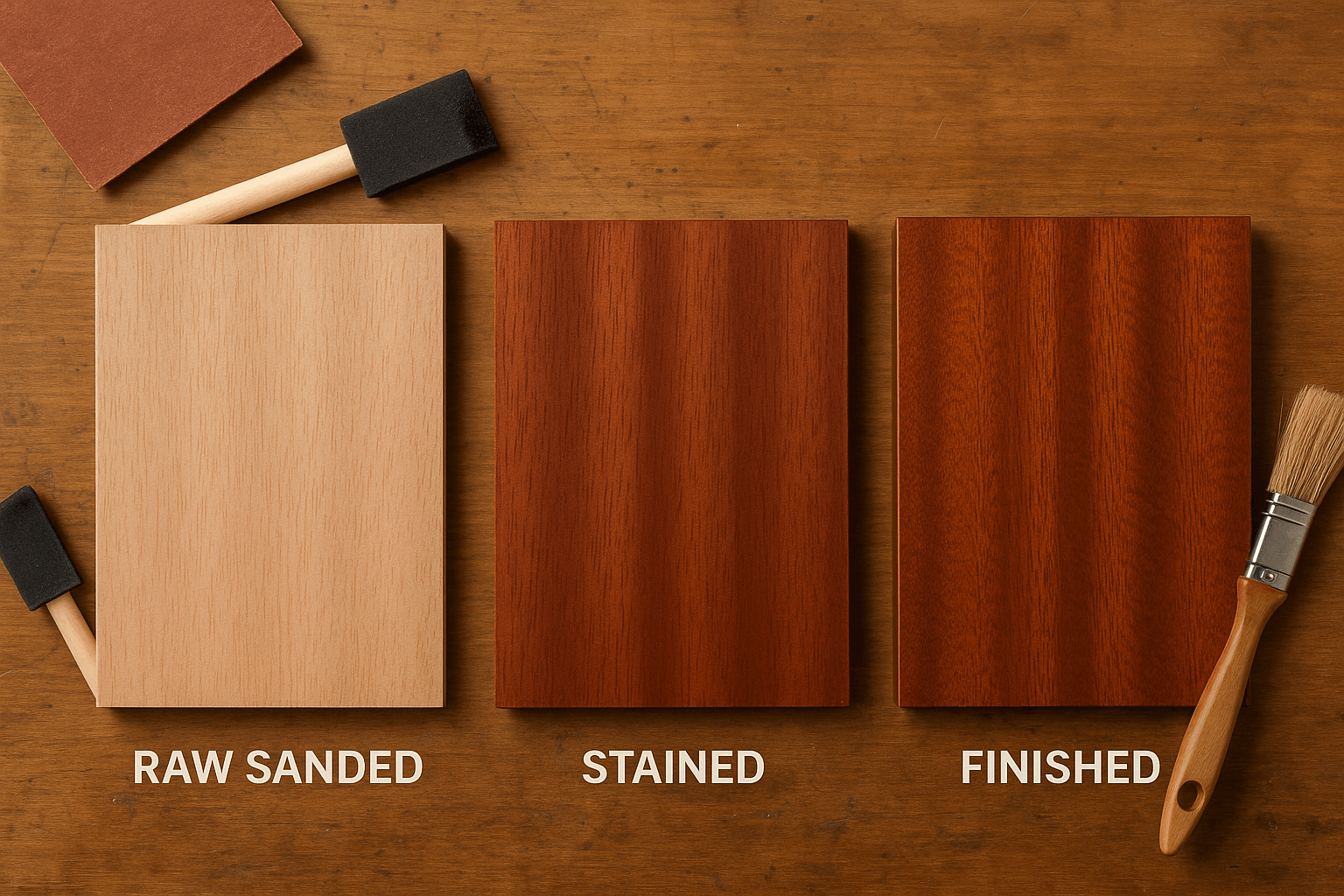
One of the best features of sapele wood is how well it finishes. Oils, lacquers, shellac, and polyurethane can all highlight the grain and deepen the color. Because sapele already has strong natural beauty, many woodworkers prefer finishes that enhance the wood rather than hide it.
Best Practices for Finishing
- Sand progressively from coarser grits up to 180 or 220 grit.
- Use sharp tools and a clean surface to reduce visible machining defects.
- Test stains and topcoats first on scrap material.
- Apply thin coats for a more even and professional-looking result.
- Choose the finish based on the environment, especially if the project will face moisture or heavy wear.
Staining and Color Enhancement
Sapele color already has depth, so many projects look best with a clear oil, satin varnish, or other transparent finish. If you do stain it, testing first is important because figured areas can absorb color differently and increase contrast across the board.
Woodworkers often appreciate this effect, especially when working with figured sapele, because it can emphasize the ribbon stripe and natural shimmer of the grain.
How to Maintain Sapele Wood
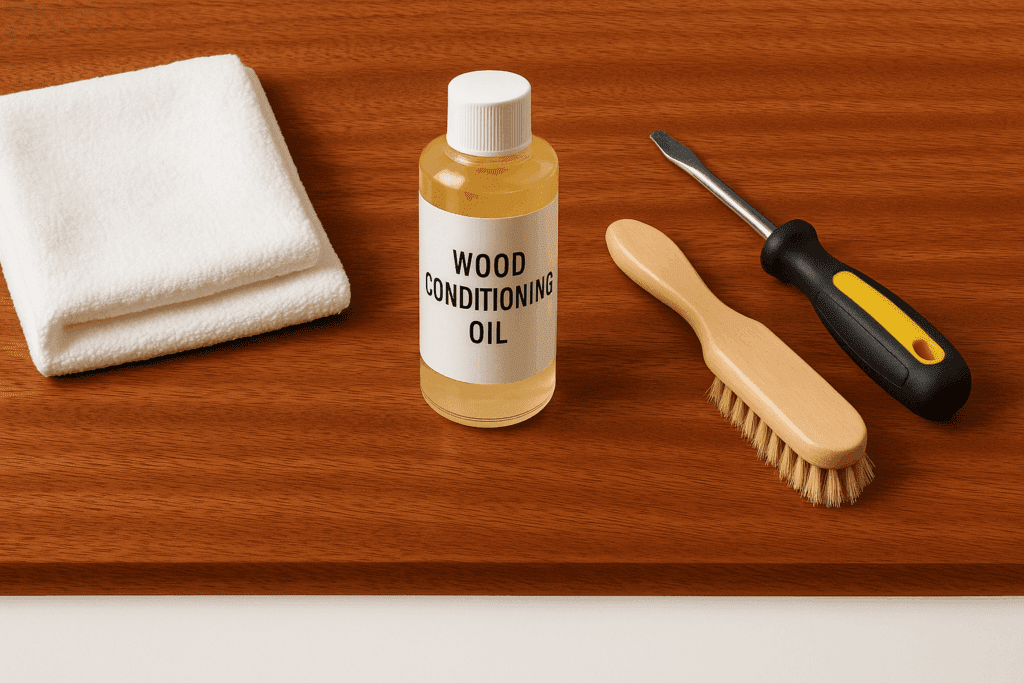
Proper maintenance helps sapele wood retain its appearance and extend its life. Indoors, routine care is simple: dust regularly, wipe with a soft cloth, and avoid harsh chemicals that may damage the finish.
Outdoor pieces require more attention. If sapele is exposed to sun, moisture, and changing temperatures, inspect the finish periodically and refinish when signs of wear appear. For outdoor furniture, refreshing the protective finish every 2 to 3 years is often a practical guideline.
Frequently Asked Questions About Sapele Wood
What is sapele wood used for?
Sapele wood is commonly used for furniture, cabinetry, doors, millwork, paneling, veneer, flooring accents, and musical instruments. Its combination of beauty and performance makes it one of the most versatile tropical hardwoods available.
What is sapele wood hardness?
The sapele wood hardness value is commonly given as a Janka rating of approximately 1,400 lbf. That sapele Janka hardness level makes it a practical hardwood for many interior woodworking applications.
What is the sapele Janka rating?
The sapele Janka rating is approximately 1,400 lbf. If you see the terms sapele Janka, sapele wood Janka hardness, or sapele hardness scale, they are all pointing to this same general hardness measurement and how sapele compares with other hardwoods.
Is sapele wood good for outdoor furniture?
Yes, sapele can work well for outdoor furniture when properly sealed, protected, and maintained. It is not as naturally weather-resistant as teak, so finishing and periodic upkeep are important.
Where does sapele wood come from?
Sapele wood comes from West and Central Africa, including countries such as Ghana, Nigeria, Cameroon, Gabon, and Ivory Coast.
What are the disadvantages of sapele wood?
The main disadvantages of sapele wood are its tendency toward tear-out with interlocked grain, the need for proper finishing in outdoor use, and the natural variation in grain from board to board.
Is sapele sustainable?
Is sapele sustainable? It can be, as long as it is sourced responsibly. Looking for FSC or PEFC certification is a smart way to improve the odds that the wood came from responsibly managed forests.
Is sapele harder than teak?
Yes. Based on typical Janka values, sapele is harder than teak, although teak still performs better in natural outdoor durability because of its oils and weather resistance.
Overall, sapele wood is an excellent choice for anyone looking for a hardwood with premium looks, strong versatility, and a practical balance of hardness, workability, and value. For furniture makers, cabinet builders, and buyers who want a mahogany-like appearance with more pronounced figure, sapele remains one of the best all-around options on the market.
Explore More About Wood: