Olive Wood: Uses, Grain, Hardness, and Care Guide
Olive wood is one of the most distinctive hardwoods in the world, valued for its dramatic grain patterns, warm golden-brown color, impressive hardness, and long cultural history. It is widely used for kitchenware, decorative objects, furniture, carving, and premium gifts because it combines durability with an unmistakable natural beauty.
In this guide, you will learn what olive wood is, where it comes from, how hard it is, what it is used for, and how to care for it properly. If you are comparing it with other premium woods such as Teak, Purpleheart Wood, Wenge Wood, Ipe Wood, Mango Wood, or Curly Maple, this article will help you understand where olive wood stands out most.
Olive Wood Quick Facts
- Botanical name: Olea europaea
- Origin: Mediterranean region
- Wood type: Dense decorative hardwood
- Color: Creamy yellow to warm golden brown with darker streaks
- Grain: Swirled, figured, often dramatic and highly varied
- Janka hardness: Typically around 2,200 to 2,400 lbf
- Best known for: Striking grain, hardness, natural oils, and decorative appeal
- Common uses: Cutting boards, spoons, bowls, furniture, carvings, decorative gifts
- Care needs: Hand wash only, dry quickly, and oil occasionally
What Is Olive Wood?
Olive wood is a dense, durable hardwood harvested from the olive tree (Olea europaea), a species native to the Mediterranean region. It is highly prized for its striking grain patterns, which often feature flowing swirls, bold contrasts, and a rich mix of light and dark tones.
Its unique appearance, combined with good moisture resistance and impressive hardness, makes olive wood a popular material for kitchenware, furniture, carvings, and decorative objects. Unlike many commercial woods, olive wood is often sourced from pruned branches or from old trees that no longer produce fruit, which helps make it a more sustainable and responsible material choice.
Because olive trees grow slowly in dry climates and challenging soils, the wood tends to develop tight grain and strong density. Many trees live for centuries, which adds both material value and cultural significance to the wood.
Where Olive Wood Comes From
The origin of olive wood is closely tied to the Mediterranean Basin, where the olive tree has been cultivated for thousands of years. Countries such as Italy, Greece, Spain, Turkey, and Tunisia are especially well known for producing high-quality olive wood.
In most cases, olive wood is not harvested by cutting down healthy fruit-bearing trees. Instead, it is usually sourced from branches pruned during regular orchard maintenance or from older trees that no longer produce olives efficiently. This gives the material a strong sustainability story compared with many other premium hardwoods.
The long symbolic history of olive trees also adds value to the wood itself. In many cultures, olive trees represent peace, wisdom, resilience, and longevity, and that meaning often carries into products made from the wood.
Olive Wood Characteristics
Olive Wood Grain and Texture
One of the most distinctive features of olive wood is its extraordinary grain. The wood often shows bold swirling patterns, wavy lines, and dark streaking over a lighter golden base. Some pieces display straighter grain, while others have dramatic figure that makes them look almost like natural artwork.
This visual character is one of the biggest reasons olive wood is so popular for bowls, utensils, serving boards, carved objects, and furniture details. Every piece looks different, which gives finished products a unique and artisanal feel.
Olive Wood Hardness and Durability
Olive wood is known for being hard and durable. The olive wood Janka hardness is typically cited in the range of 2,200 to 2,400 lbf, which places it among the harder decorative hardwoods used in small objects, premium kitchenware, and fine woodworking.
If you are wondering whether olive wood is hard, the answer is yes. That hardness helps it resist dents and scratches better than many lighter utility woods, while still allowing it to hold fine carved details. Compared with species such as Mango Wood or Basswood, olive wood is much denser and better suited for long-lasting premium products.
Color Variations in Olive Wood
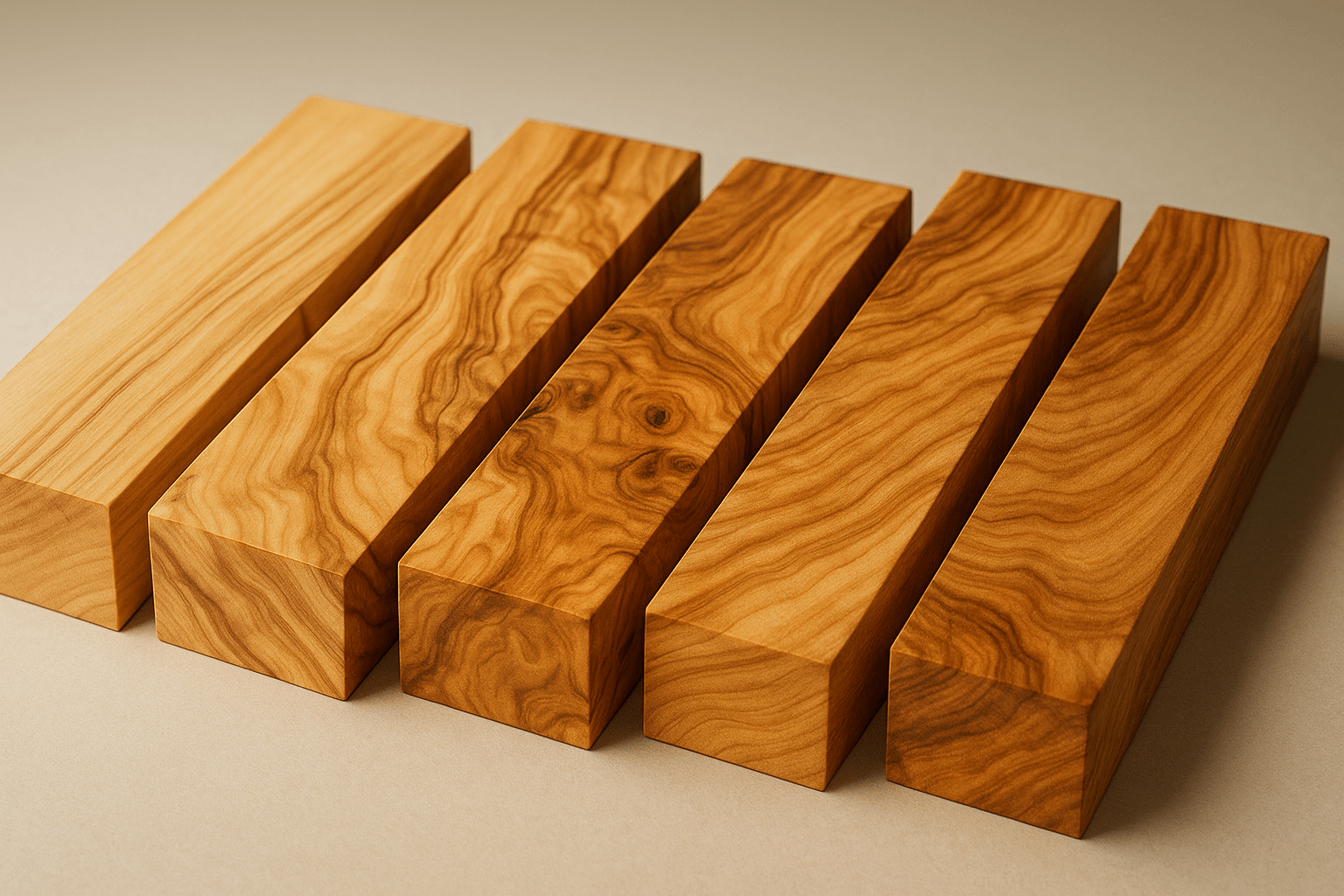
The color of olive wood varies depending on the tree, growing conditions, and the section of wood used. Heartwood tends to show richer golden or medium brown tones, while sapwood is lighter and creamier. Dark streaks and strong figure often create the dramatic contrast that makes olive wood products so recognizable.
Once polished, olive wood can develop a natural sheen that enhances both the color and the grain. This is why it is so often chosen for decorative kitchen pieces, serving boards, and visible furniture accents.
What Is Olive Wood Used For?
Olive wood is valued not only for its appearance, but also for its practicality. Its hardness, dense grain, and natural oils make it especially useful in small premium products and decorative interior pieces.
Kitchenware and Utensils
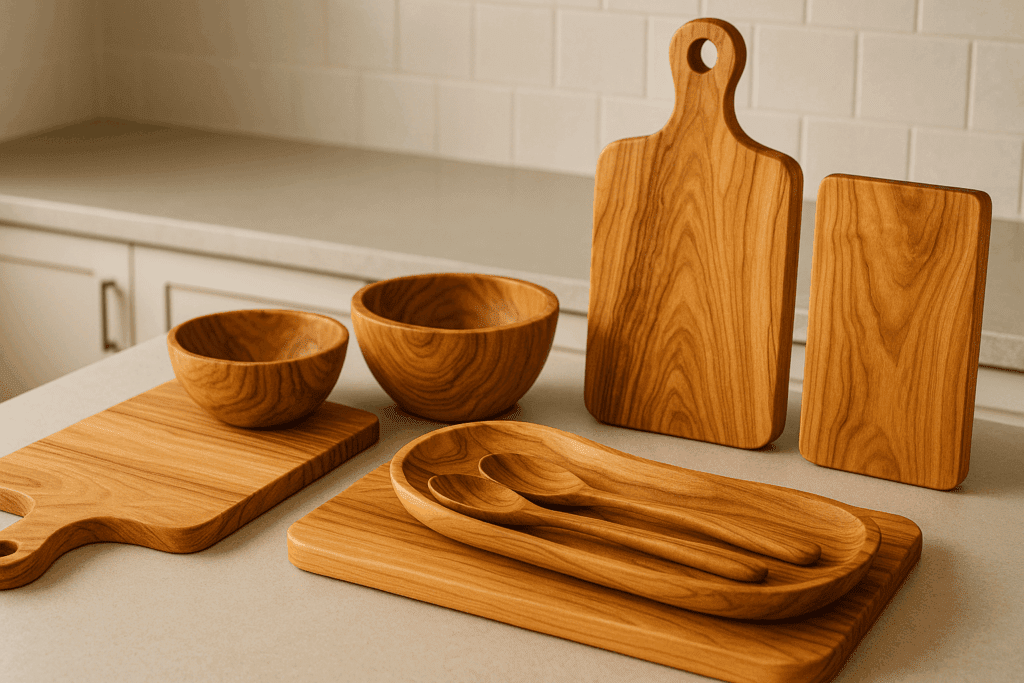
One of the most common uses of olive wood is in kitchenware. Bowls, spoons, spatulas, serving boards, cutting boards, and platters are especially popular because olive wood is dense, attractive, and naturally resistant to absorbing odors more than many softer woods. Its antibacterial reputation and natural oil content also make it particularly appealing for food-related products.
Well-made olive wood kitchen items are both functional and decorative. They are often chosen not only for everyday use, but also because they look beautiful displayed in the kitchen.
Furniture and Home Decor
Olive wood furniture and home decor are sought after for their warmth, figure, and premium look. Olive wood is often used in smaller furniture pieces, shelves, cabinets, accent details, tabletops, and decorative home objects where the grain can be appreciated up close.
Because each piece of olive wood looks different, artisans often use it for bespoke designs and one-of-a-kind furniture details. It works especially well in rustic, Mediterranean, artisanal, and natural luxury interiors.
Carving and Decorative Crafts
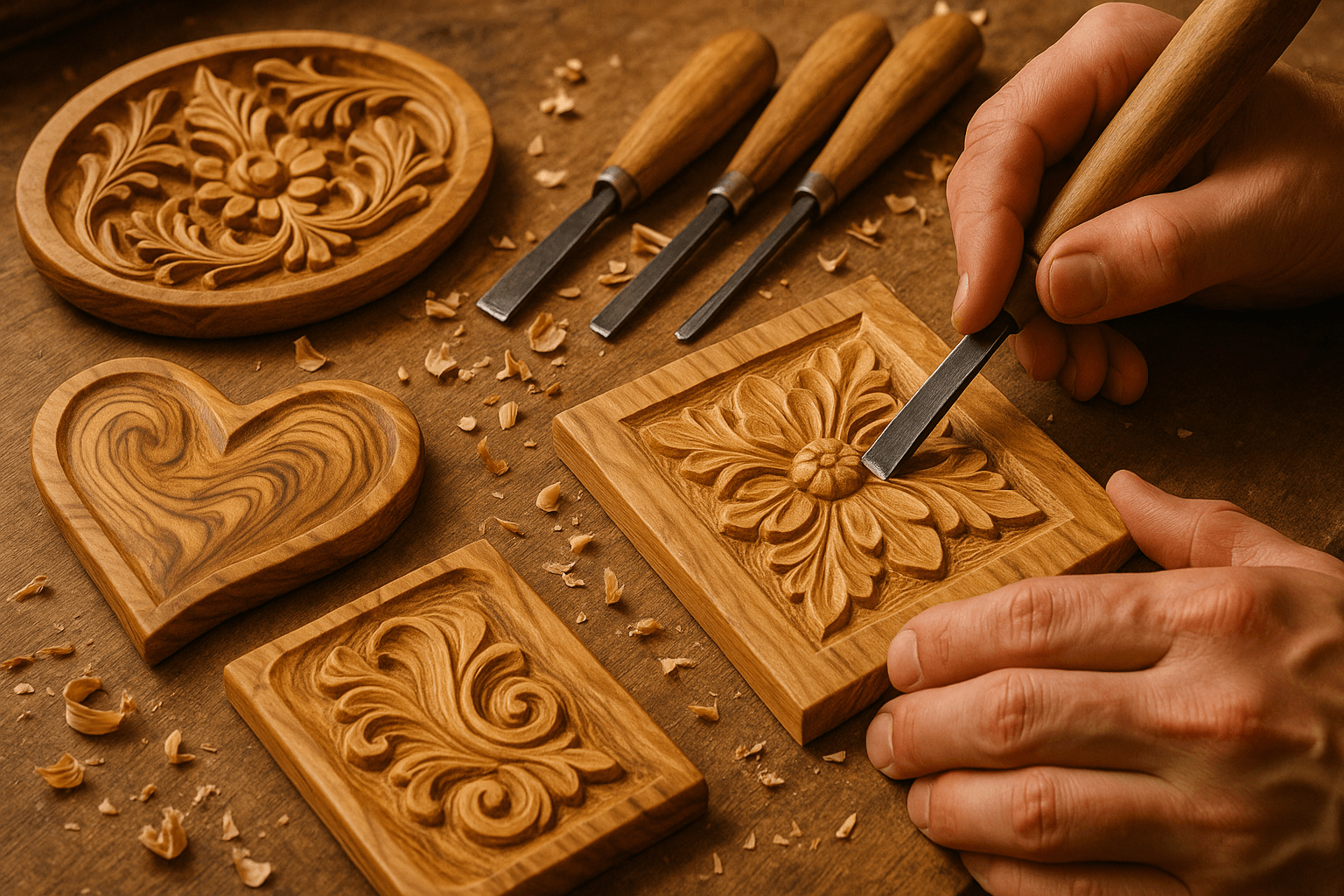
Olive wood is also highly valued in carving and craftwork. Artisans use it to create figurines, boxes, coasters, ornaments, serving accessories, and decorative gifts. Its hardness allows it to hold detail, while its grain ensures that even simple shapes can look visually striking.
Olive Wood as a Gift Material
Because of its beauty, symbolism, and handmade feel, olive wood is also a popular gift material. Bowls, cutting boards, utensils, crosses, carvings, and serving sets are often marketed as premium gifts because they combine function, meaning, and visual appeal.
Common Olive Wood Product Forms
People searching for olive wood are often not looking for raw lumber alone. In practice, the material is commonly encountered in several different product forms:
- Finished products: bowls, cutting boards, utensils, serving trays, boxes, decor, and gifts
- Craft and carving blocks: used by artisans for turning, carving, and custom woodworking
- Decorative boards or slabs: used for accents, furniture parts, or display pieces
- Special figured material: including highly swirled pieces sometimes described as burl-like or extra decorative
This matters because the keyword “olive wood” can bring users with several different intentions: some want to learn about the species, some want kitchen products, and others want raw or semi-finished material for making something themselves.
Benefits of Olive Wood
Olive wood offers a rare combination of beauty, density, durability, sustainability, and cultural meaning. That combination is a big reason it performs so well both as a working material and as a finished product.
Exceptional Durability
Its hardness and density make olive wood suitable for long-lasting items such as utensils, boards, decor, and selected furniture. It is much tougher than many everyday utility woods and resists wear well in indoor use.
Distinctive Grain and Color
Few woods offer the same combination of warm golden tones and dramatic swirling figure. This natural variation gives every piece visual character and makes handcrafted products feel unique.
Naturally Antibacterial Reputation

Because of its dense grain and natural oils, olive wood is widely appreciated for kitchen use. This is one reason it is so popular for food-serving pieces and utensils.
Eco-Friendly and Sustainable
Olive wood is often sourced from pruned branches or old trees that no longer produce fruit, which helps reduce waste and makes it more environmentally responsible than woods harvested only for timber production.
Symbolic and Cultural Value
Olive trees have long symbolized peace, wisdom, and longevity. That symbolic value adds emotional appeal to olive wood products, especially those intended as gifts or heirloom pieces.
How to Care for Olive Wood
How to Clean Olive Wood
Proper care is essential if you want olive wood to last and retain its natural beauty. Olive wood products should be washed by hand with mild soap and warm water, then dried immediately with a soft cloth. They should never be soaked for long periods and should not go in the dishwasher, since excessive heat and moisture can lead to cracking or warping.
The Best Oil for Olive Wood
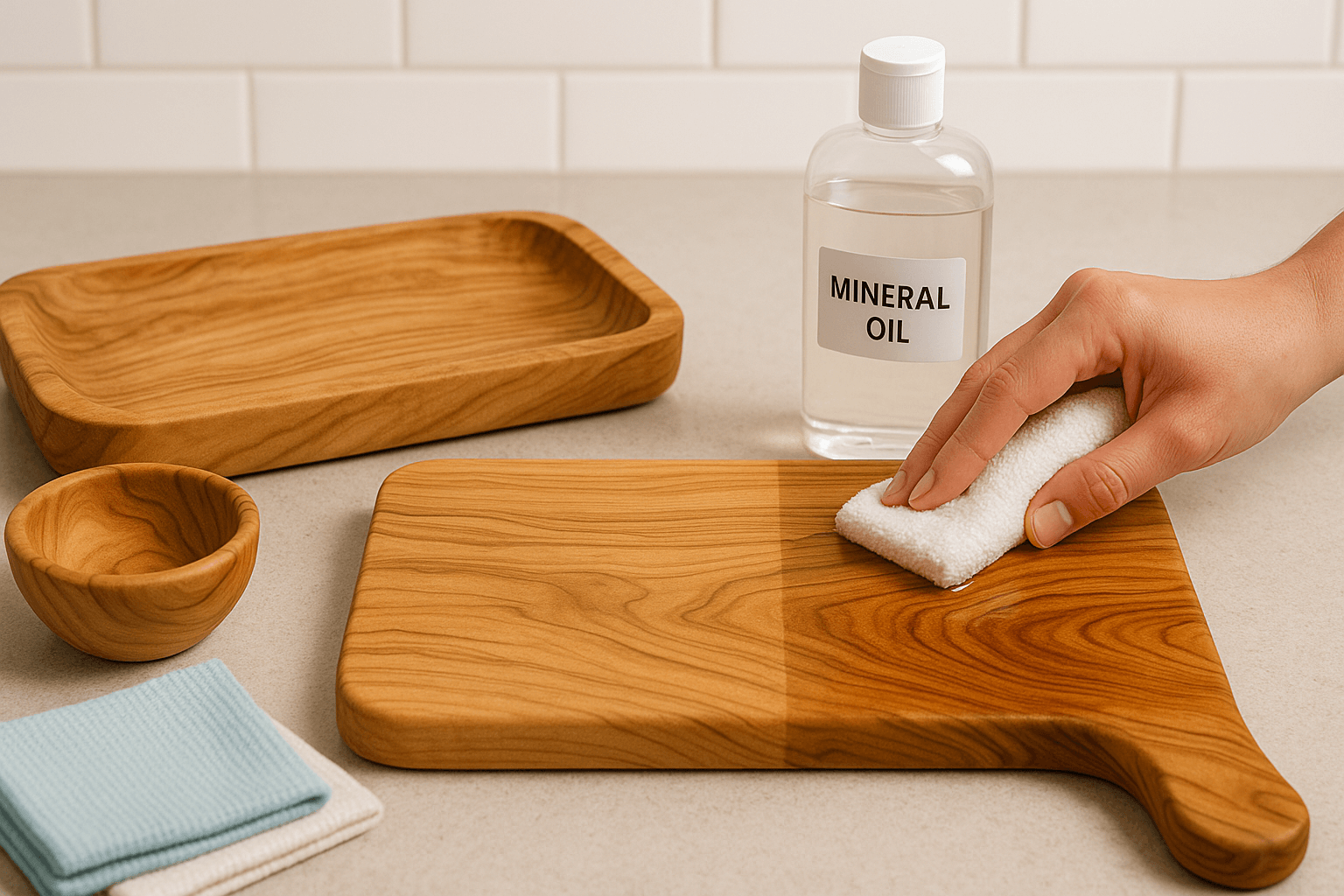
To keep olive wood looking its best, it should be oiled occasionally. The best oil for olive wood is usually a food-safe mineral oil or a dedicated wood conditioner designed for kitchenware. Oiling helps maintain luster, enrich color, and reduce the risk of the wood drying out.
Can You Use Olive Oil on Olive Wood?
Many people ask whether olive oil is good for wood, but for olive wood care the better choice is usually mineral oil or a proper wood conditioner. Olive oil can go rancid over time, so it is not generally the best treatment for long-term maintenance.
Storage and Everyday Care
Store olive wood items away from direct sunlight, extreme heat, and very damp conditions. For kitchenware, avoid leaving acidic or strongly staining foods on the surface for long periods. With simple maintenance, olive wood products can remain attractive and functional for many years.
Olive Wood Compared to Other Premium Woods
Olive wood is often compared with other premium woods, but it serves a fairly specific niche. Compared with Teak, olive wood is generally better suited to kitchen and decorative indoor use than to outdoor exposure. Compared with Ipe Wood, it is easier to use in small crafted objects and far more decorative in swirling figure. Compared with Curly Maple, olive wood is typically harder and more moisture resistant, while curly maple is more associated with figured furniture and instrument work.
If you are exploring alternatives based on look or project type, you may also want to compare olive wood with Mango Wood for sustainability, Wenge Wood for darker dramatic interiors, Purpleheart Wood for bold color, Cocobolo for luxury decorative work, or Sapele for millwork and furniture applications.
FAQ About Olive Wood
Is olive wood hard?
Yes. Olive wood is a hard, dense hardwood, typically rated around 2,200 to 2,400 lbf on the Janka scale.
Is olive wood good for cutting boards and kitchen utensils?
Yes. Olive wood is widely used for kitchenware because of its density, natural oils, attractive grain, and strong reputation for food-related products.
What is olive wood used for?
Olive wood is commonly used for utensils, bowls, cutting boards, serving pieces, furniture accents, carvings, decorative crafts, and gift items.
Is olive wood sustainable?
Often yes. Olive wood is commonly sourced from pruned branches or old trees that no longer produce fruit, which helps reduce waste and supports a more sustainable use of the tree.
Can olive wood go in the dishwasher?
No. Olive wood should be hand washed and dried immediately to prevent cracking, warping, and surface damage.
Final Thoughts
Olive wood stands out because it combines decorative beauty, impressive hardness, practical kitchen use, and a strong Mediterranean identity in one material. It is not the best wood for every project, but for bowls, utensils, cutting boards, decorative gifts, carvings, and selected furniture pieces, it offers a rare balance of visual richness and long-term value.
If your goal is to choose a wood that feels warm, distinctive, durable, and meaningful, olive wood remains one of the best specialty hardwoods available.
Explore More About Wood: