Wenge Wood: Meaning, Properties, Color and Uses
Wenge wood is a tropical hardwood known for its dark brown to nearly black color, high density, and bold grain pattern. It is prized for luxury furniture, hardwood flooring, and decorative millwork because it combines durability with a dramatic, modern look.
If you are wondering what wenge is, the short answer is simple: wenge is a premium African hardwood from the Millettia laurentii tree. It is valued for its strength, rich color, and distinctive appearance, but it also comes with challenges such as cost, difficult workability, and sourcing concerns. In this guide, you will learn what wenge wood is, where it comes from, its key properties, color, uses, price considerations, and how to maintain it properly.
What Is Wenge Wood?
Wenge wood is a dense tropical hardwood harvested from the wenge tree, scientifically known as Millettia laurentii. Many users searching for wenge meaning, wenge definition, or what is wenge wood are simply looking for this: wenge is a dark African hardwood used in premium interior applications.
Wenge is considered a hardwood, and its popularity comes from two main qualities: its striking appearance and its resistance to wear. It is often chosen when a project needs a bold, elegant wood with more visual contrast than oak, walnut, or other common furniture woods.
Where Does Wenge Wood Come From?
Wenge wood comes from Central Africa, especially countries such as the Democratic Republic of Congo, Gabon, and Cameroon. If you are searching for where does wenge wood come from or wenge tree, these tropical regions are the main source of commercial wenge lumber and wenge timber.
The tree grows in tropical rainforest environments and can reach impressive heights. Because it is an exotic hardwood, responsible sourcing matters. Buyers should always look for reputable suppliers who can provide information about legality, origin, and sustainability.
Wenge Wood Properties
Wenge stands out because of its combination of color, hardness, strength, and texture. These properties are the reason it is so often used for statement furniture and luxury flooring.
Color
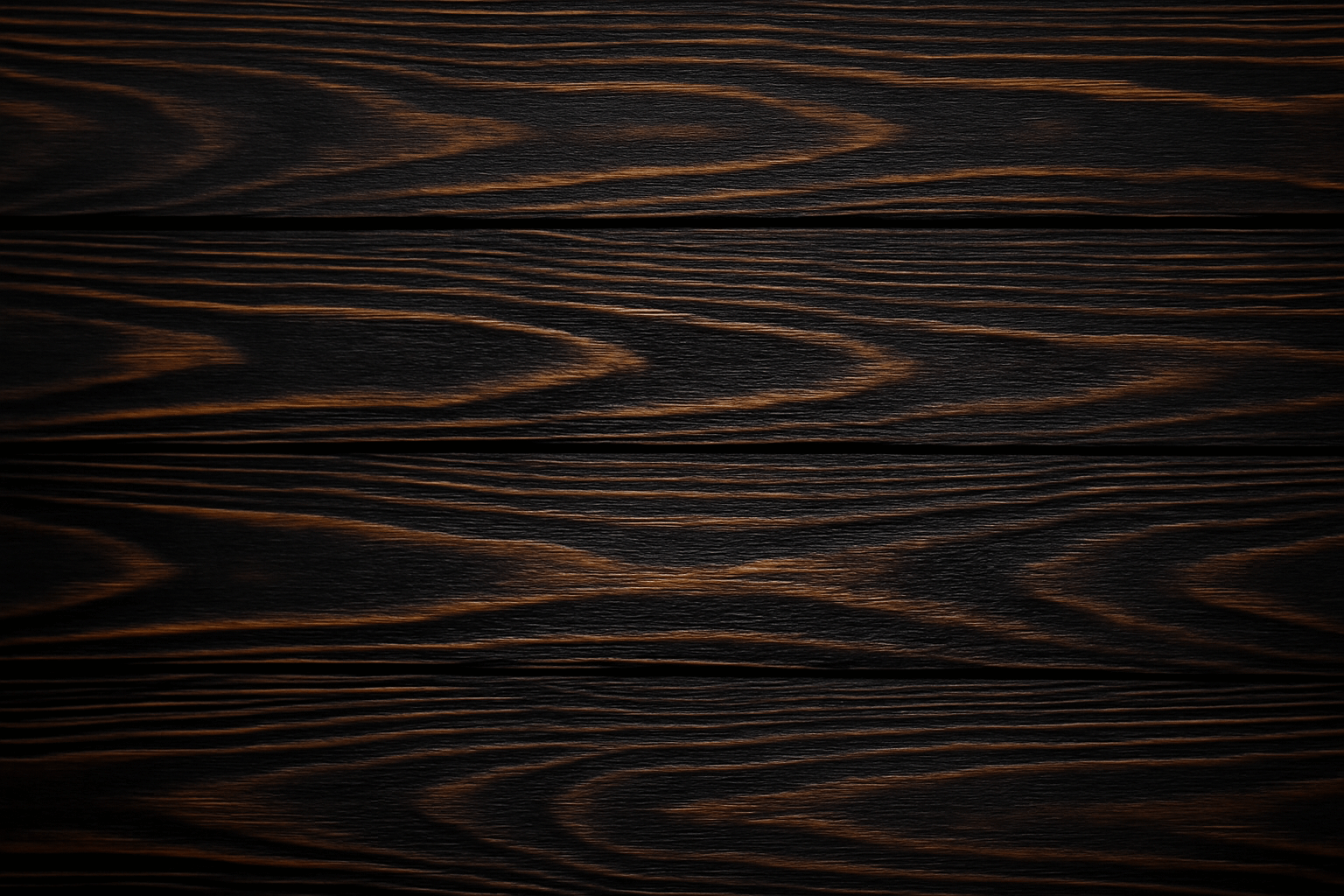
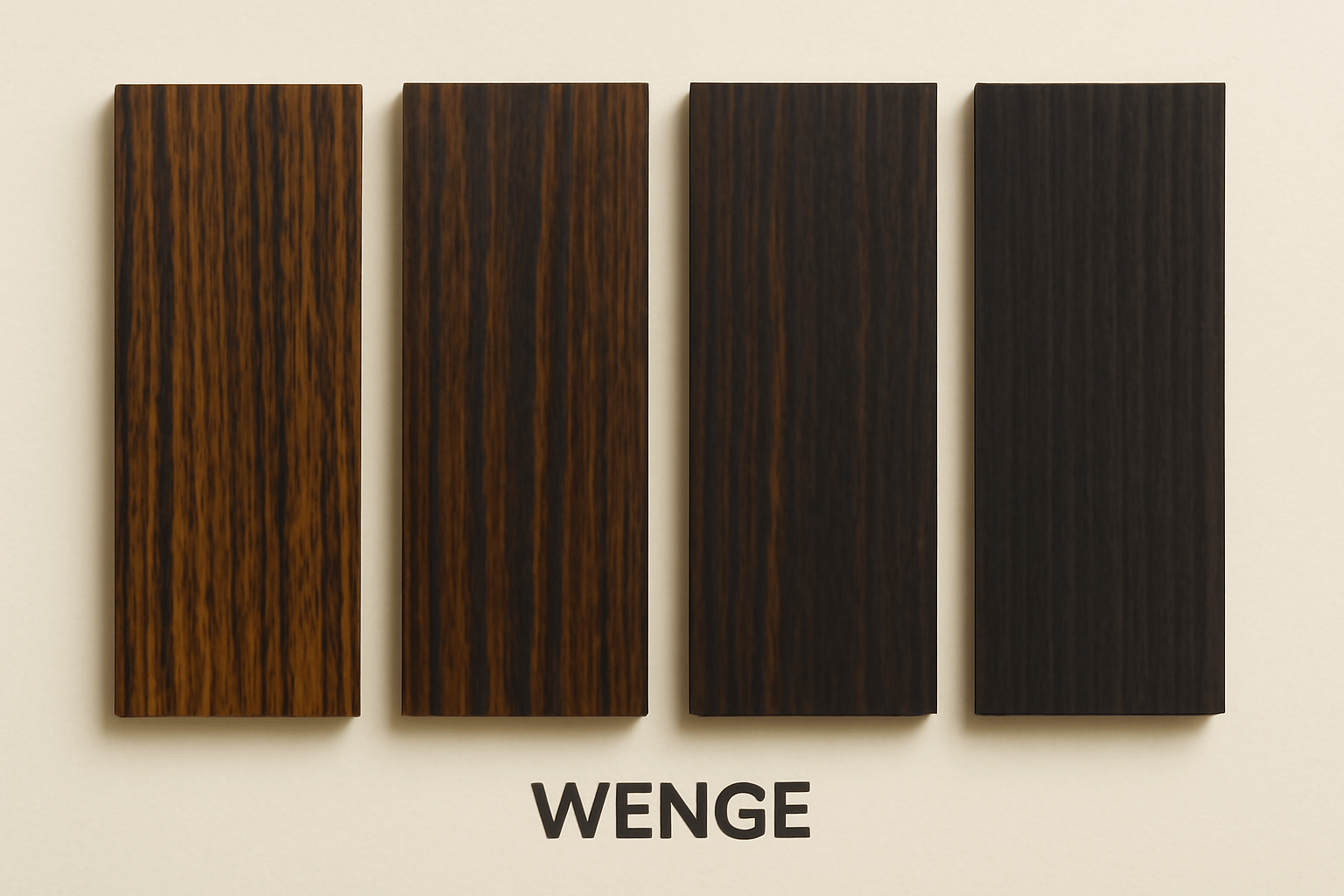
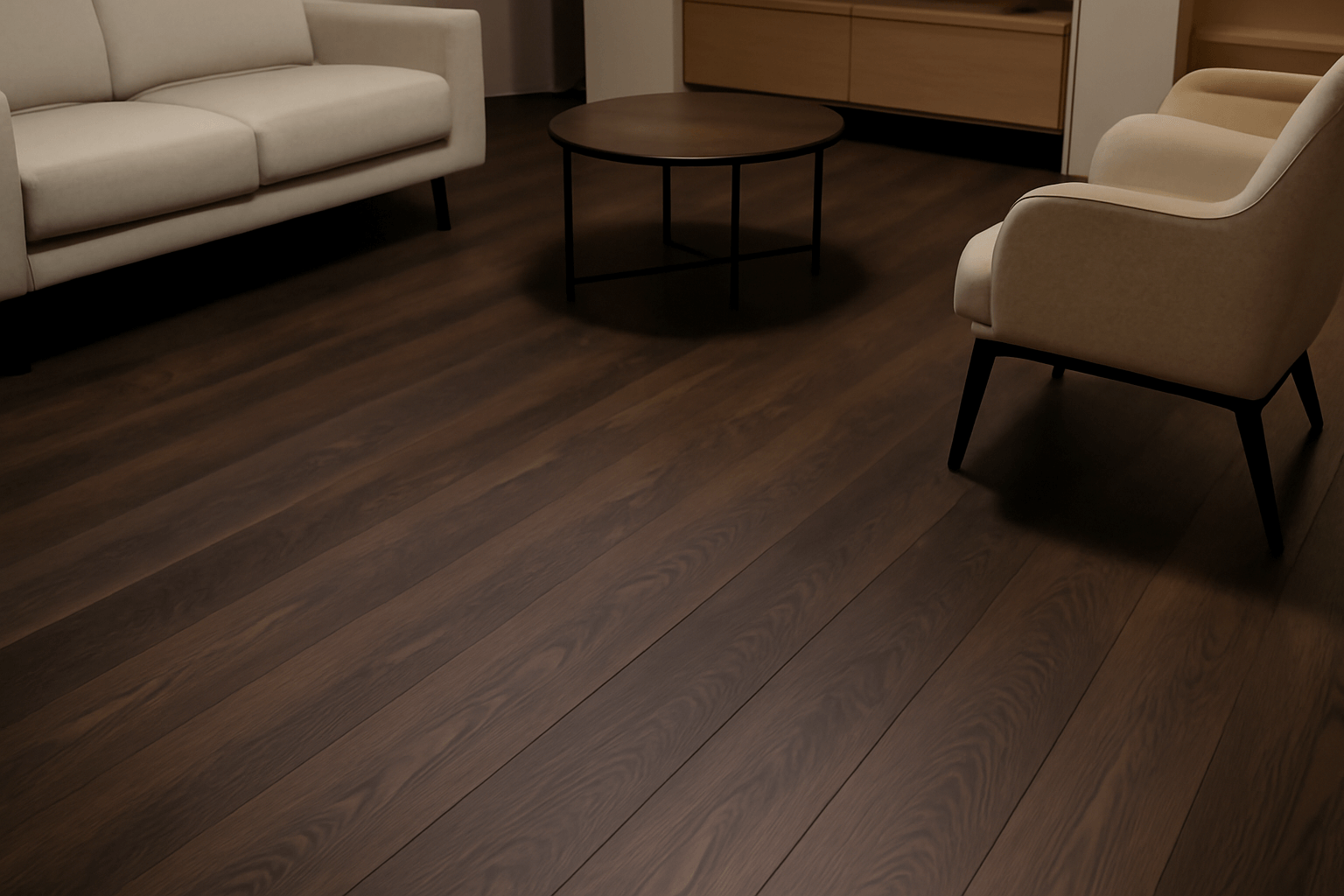
One of the most searched questions is what color is wenge wood or what colour is wenge wood. Wenge is usually a dark brown wood that can appear almost black, often with narrow lighter brown streaks running through the grain. This contrast gives it a dramatic and sophisticated look.
The phrase wenge wood color is often associated with deep espresso, chocolate brown, or near-black tones. This is one of the main reasons it is popular in modern furniture and interior design.
Grain and Texture
Wenge usually has a straight to slightly interlocked grain with a coarse texture. Its open pores and visible striping are part of what makes it so visually distinctive. Unlike more uniform woods, wenge has a bold appearance that works especially well in contemporary interiors.
Hardness and Strength
Wenge hardwood is valued for its strength and wear resistance. Its Janka hardness rating is approximately 1,830 lbf, which makes it harder than many common domestic woods. That durability helps explain why wenge is often used for surfaces that need to look refined while handling regular use.
Outdoor Durability
Wenge is durable, but it is generally better known for indoor furniture and flooring than for heavy outdoor use. It performs best in controlled interior settings where its appearance can be preserved and where it is not constantly exposed to weather.
Workability, Sanding and Finishing
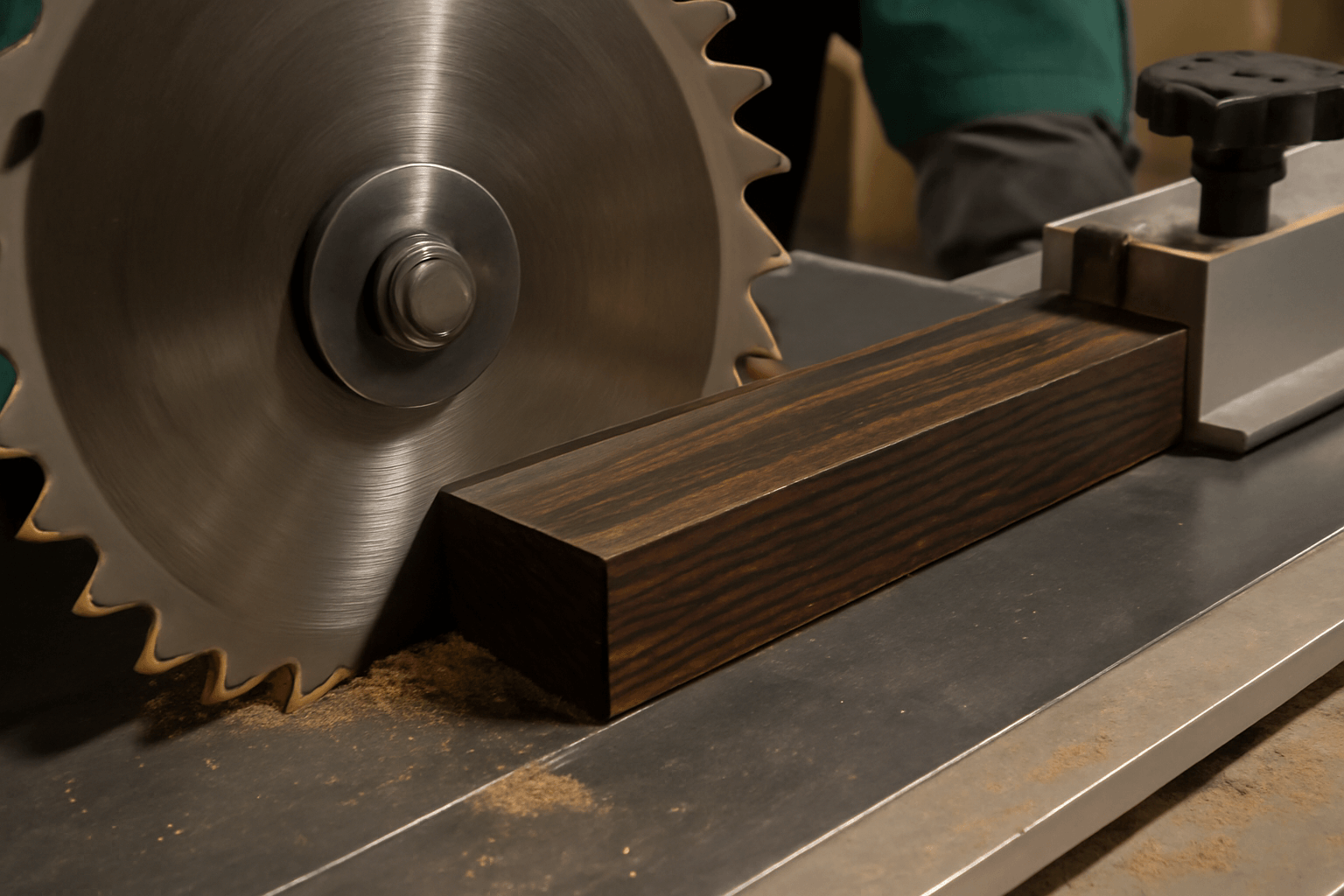
Although wenge is beautiful, it can be challenging to work with. Its density can dull tools quickly, and tear-out may occur if blades are not sharp. For the best results, woodworkers usually rely on carbide-tipped tools and careful machining techniques.
Many people also search for what is wenge finish. In practice, a wenge finish refers to either a finish applied to real wenge wood or a finish color designed to imitate wenge’s dark appearance on another material. On real wenge, oil-based finishes are often used to deepen the color and highlight the grain.
What Is Wenge Wood Used For?
If you are asking what is wenge wood used for, the main applications are premium indoor projects where both durability and visual impact matter.
Furniture
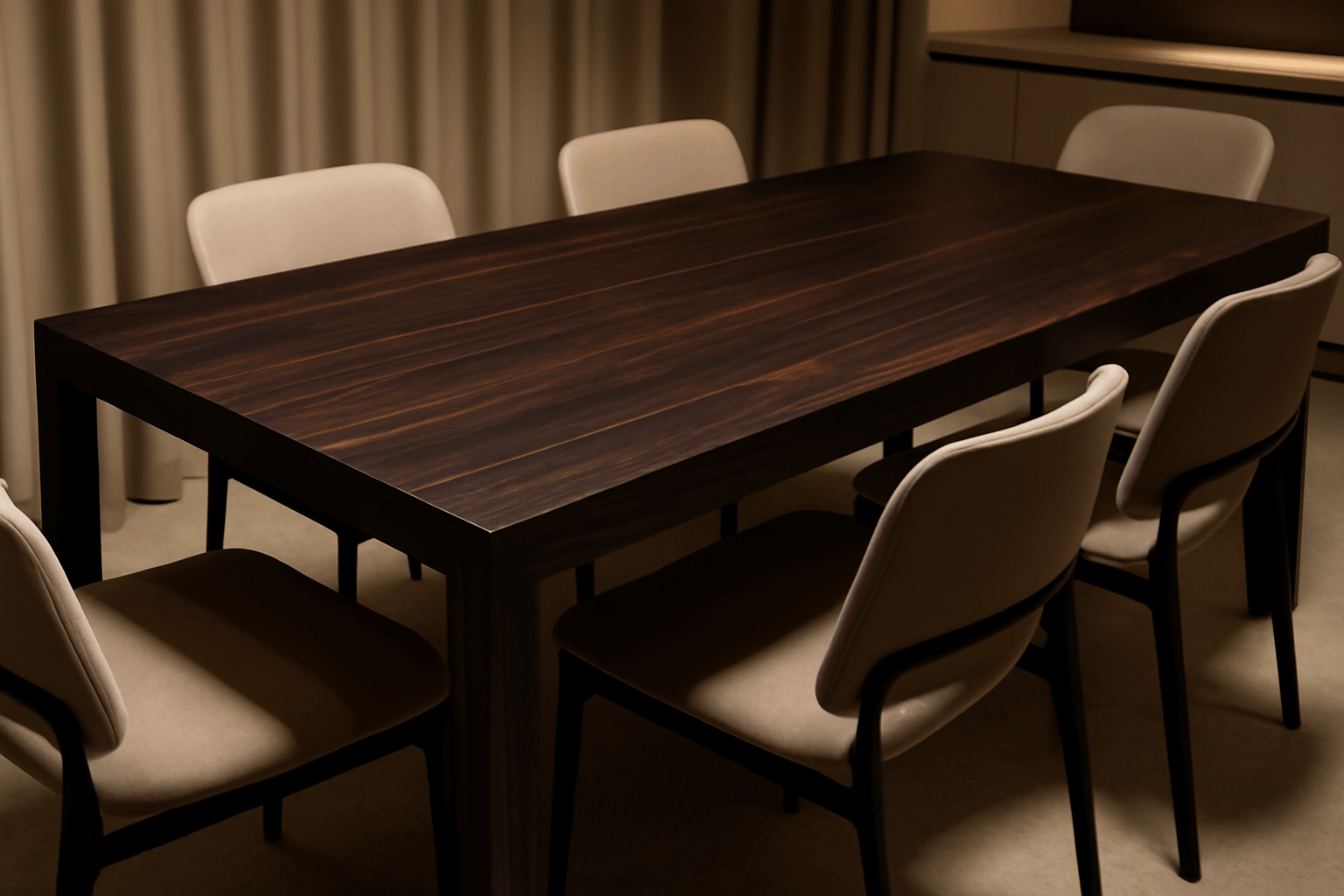
Wenge wood furniture is one of the most common uses of this species. It is popular in dining tables, cabinets, desks, chairs, and statement pieces with contemporary styling. The wood’s dark tone makes it especially appealing in minimalist, modern, and luxury interiors.
Flooring
Wenge hardwood flooring is valued for its hardness, rich tone, and dramatic contrast. It can elevate modern interiors and works particularly well in rooms that benefit from darker, more sophisticated finishes.
Millwork and Decorative Applications
Wenge is also used for paneling, trim, veneer, and custom millwork. Because of its bold grain and dark color, it is especially effective in accent walls, cabinetry details, and decorative architectural elements.
Musical Instruments
Its density and stability also make it useful in some musical instrument parts, especially when a hard, visually distinctive wood is desired.
Wenge Wood Price and Availability
Wenge is generally considered a premium exotic hardwood. That means it is often more expensive than common domestic species, and availability may vary depending on supplier, dimensions, and sourcing restrictions.
If you are comparing options for furniture or flooring, wenge lumber is usually chosen for its appearance and exclusivity rather than for budget efficiency. In most cases, buyers are paying for its unique color, imported status, and premium aesthetic.
Wenge Wood Sustainability
Sustainability is one of the most important considerations when buying wenge timber. Because wenge is a tropical hardwood from Central Africa, sourcing practices matter. Unsustainable logging and illegal harvesting have been concerns in some producing regions.
For that reason, it is best to buy from suppliers that can provide documentation about legal harvesting and responsible forest management. If sustainability is important to you, certifications and transparent sourcing policies should be part of the buying decision.
Pros and Cons of Wenge Wood
Pros
- Striking appearance: dark brown to nearly black color with attractive streaking
- High durability: strong and wear-resistant for furniture and flooring
- Premium look: ideal for luxury, modern, and contemporary interiors
- Good stability: performs well in interior environments when properly processed
- Versatile use: suitable for furniture, flooring, veneer, and millwork
Cons
- Expensive: usually costs more than standard hardwoods
- Difficult to work with: dense wood can be tough on tools
- Coarse texture: open pores may require careful finishing
- Sourcing concerns: sustainability and legality must be verified
- Dust sensitivity: sanding dust may irritate skin or lungs in some users
How to Care for Wenge Wood
Wenge does not require complex maintenance, but it should be treated carefully to preserve its appearance.
- Dust regularly with a soft cloth
- Clean finished surfaces with a lightly damp cloth
- Avoid harsh chemicals and abrasive cleaners
- Use suitable wood oils or furniture products when recommended for the finish
- Protect floors and tabletops from scratches with pads, rugs, or coasters
For wenge wood furniture, maintenance mainly focuses on protecting the finish and preventing the surface from drying out or becoming scratched. For flooring, consistent sweeping and gentle cleaning help preserve the wood’s dark, polished appearance.
Wenge Wood vs Other Premium Woods
If you like the look of wenge but want to compare alternatives, a few other species may be worth exploring depending on your project.
- Teak wood is a better fit for outdoor furniture because of its natural oils and weather resistance.
- Sapele wood is often easier to work with and can be a more accessible option for cabinetry and interior millwork.
- Ipe wood is a stronger choice for outdoor durability and decking applications.
Wenge remains the better choice when your priority is a dark, dramatic indoor hardwood with a premium design presence.
Frequently Asked Questions About Wenge Wood
What is wenge?
Wenge is a tropical African hardwood known for its dark color, coarse texture, and durability. The term can refer both to the tree and to the lumber produced from it.
What does wenge mean?
In woodworking, wenge generally refers to a premium dark hardwood species from Central Africa used in furniture, flooring, and decorative applications.
What color is wenge wood?
Wenge wood is usually dark brown to nearly black, often with lighter brown streaks in the grain.
What is wenge finish?
Wenge finish can refer to a finish used on real wenge wood or to a dark finish color designed to imitate the look of wenge on another surface.
What is wenge wood used for?
Wenge wood is mainly used for furniture, hardwood flooring, decorative millwork, veneer, and some musical instrument parts.
Is wenge wood expensive?
Yes, wenge is usually considered a premium exotic hardwood, so it often costs more than common domestic species.
Is wenge wood toxic?
Wenge is not typically classified as toxic, but its dust can cause irritation or allergic reactions in some people during cutting or sanding.
Final Thoughts
Wenge wood is one of the most visually distinctive hardwoods available for interior design and woodworking. Its dark color, strong performance, and premium feel make it especially attractive for furniture, flooring, and statement millwork.
It is not the easiest or cheapest wood to work with, but for buyers and makers looking for a bold, elegant hardwood with real presence, wenge remains a standout option.
Explore More About Wood: